CragHaven Outdoor
Blog
  • Portable Folding Camping Chair Engineered for Lightweight Comfort and Reliable Outdoor Use

    Portable Folding Camping Chair Engineered for Lightweight Comfort and Reliable Outdoor Use

    2026-05-17
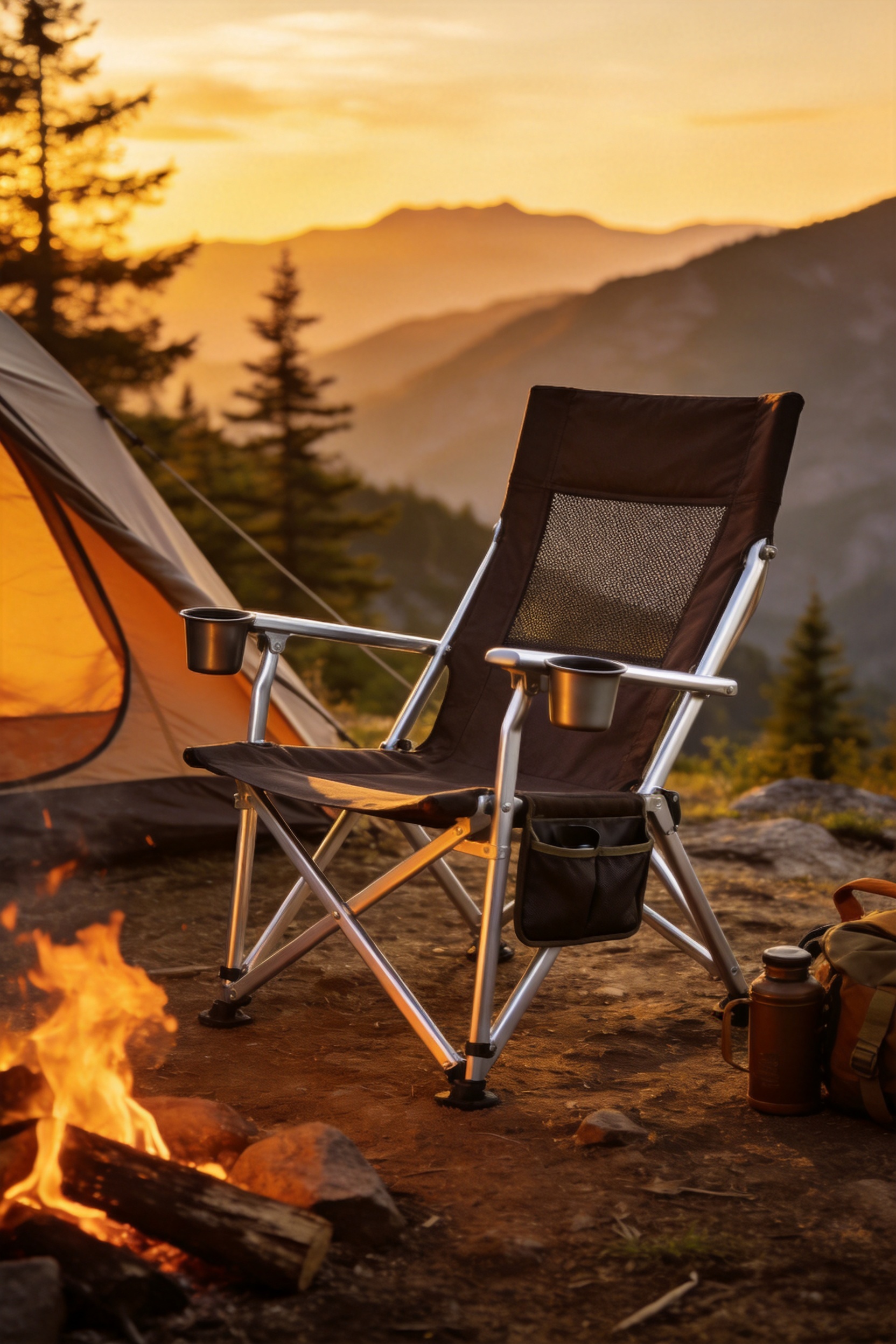
    In modern camping, hiking, overlanding, fishing, outdoor festivals, and mountain-base recreation, seating is no longer an afterthought. A chair carried into the outdoors must do more than provide a place to sit. It must support the body on uneven ground, pack efficiently, resist wear from repeated use, and remain comfortable after hours beside a fire, under a tarp, near a trailhead, or around a campsite kitchen. The outdoor folding chair described here, product reference WFLY262002, is designed as a portable multi-functional camping chair that combines a lightweight aviation-grade aluminum alloy frame, durable Oxford cloth, a breathable mesh back panel, side storage pockets, cup holders, and a quick-folding structure for convenient transport and compact storage. This product belongs to the Camping Furniture category, but its design philosophy reaches beyond basic campsite seating. It is built for users who expect outdoor gear to be practical, reliable, and easy to live with in changing conditions. Many chairs on the market look acceptable in a catalog but reveal weaknesses after repeated folding, long sitting periods, damp weather, sun exposure, or rough campsite handling. This chair focuses on the elements that matter most in real use: manageable weight, structural stability, seating comfort, ventilation, storage convenience, material durability, and efficient packing. For outdoor brands, distributors, retailers, and procurement teams, the value of a camping chair is not limited to its appearance. A successful product must balance user experience, production consistency, logistics efficiency, quality control, and long-term market acceptance. CragHaven Outdoor, based in Hangzhou, China, approaches this product from both the user side and the manufacturing side. The company’s product development philosophy emphasizes weather, terrain, and time rather than short-term trends. This makes the chair suitable for customers who need dependable camping furniture for global markets and who prefer stable supply partners with a clear understanding of outdoor use scenarios. Product Overview: A Portable Chair Built for Real Camping Scenarios The outdoor folding chair WFLY262002 is designed for people who need seating that can travel easily without feeling fragile or inconvenient. Its structure uses an aviation-grade aluminum alloy frame, chosen to provide a strong yet lightweight foundation. This is an important advantage over many low-cost chairs that rely on heavy steel tubing or poorly reinforced structures. While steel can be strong, it often increases carrying weight, reduces portability, and may be more vulnerable to corrosion when coatings are damaged. Aluminum alloy, when properly processed and assembled, offers a more balanced solution for outdoor furniture that needs to be moved frequently. The seat area is made with Oxford cloth, a common high-performance fabric choice for outdoor equipment because it is known for durability, abrasion resistance, and practical handling. A chair intended for camping is exposed to friction from clothing, belts, bags, dust, sand, campsite debris, and repeated folding. Oxford cloth supports the chair’s long-term usability by providing a tougher seating surface than many thin, generic woven fabrics. In combination with reinforced sewing and careful pattern design, it helps create a seat that feels stable while remaining flexible enough for comfort. Comfort is further improved by the breathable mesh back panel. This feature is especially valuable during warm weather, long sitting sessions, and humid environments. Many conventional folding chairs use solid fabric panels across the entire back. While such chairs may appear simple and cost-effective, they can trap heat and moisture, causing discomfort during extended sitting. The mesh back panel helps air circulate behind the user, reducing stuffiness and improving the sitting experience during summer camping, fishing, roadside rest, festival use, or long evenings at camp. Convenience features are also integrated into the chair. Multi-functional side storage pockets provide a place for items such as a phone, small flashlight, map, snack, multitool, sunglasses, or campsite accessories. Cup holders keep drinks within reach and help prevent spills around the seating area. These features may seem small, but they significantly improve user satisfaction. In outdoor environments, convenience often comes from reducing unnecessary movement. A person seated near a campfire, stove area, riverbank, or tent entrance wants essentials nearby, not scattered on the ground. The quick-folding design helps the chair save space during transport and storage. This is especially important for campers who must manage limited vehicle space, backpackers who carry compact gear to a trailhead, event users who move multiple chairs at once, or retailers who need efficient packaging for shipping and shelf display. A chair that folds quickly and cleanly reduces frustration and makes repeated use easier. In practical terms, this means the product is more likely to be taken on trips rather than left at home because it is inconvenient. Why Lightweight Construction Matters in Outdoor Furniture Weight is one of the most decisive factors in outdoor equipment. A product that is too heavy may perform well in a backyard but fail in the camping market because users do not want to carry it from a parking area to a campsite, beach, riverbank, or mountain viewpoint. The use of an aviation-grade aluminum alloy frame gives this folding camping chair a competitive advantage because it supports portability without abandoning structural confidence. Competitor products often fall into two categories. Some are inexpensive, heavy chairs with steel frames, low-grade fabric, and basic stitching. They may be acceptable for occasional use but become burdensome for transportation and may show wear quickly. Others attempt to be ultralight but sacrifice comfort, seat width, or stability, making them less suitable for longer sitting sessions. The WFLY262002 chair is positioned between these extremes. It aims to deliver a balanced user experience: light enough to carry conveniently, supportive enough for regular camping use, and comfortable enough for extended sitting. Aluminum alloy has additional advantages beyond weight. It performs well in outdoor applications because it resists rust better than untreated or poorly coated steel. It can also be shaped, cut, finished, and assembled with precision, allowing manufacturers to create repeatable frame geometry. Consistency in geometry is important because a folding chair depends on aligned joints, stable angles, and reliable load transfer. If the frame is inconsistent, the chair may wobble, fold unevenly, or develop stress points. A well-controlled aluminum frame helps maintain performance from one production batch to another. For retailers and importers, lightweight construction also has logistics benefits. Lower product weight can contribute to more efficient handling, easier carton movement, and potentially improved shipping arrangements depending on order configuration. While packaging design and final dimensions also matter, a portable chair with a lighter frame is generally easier to manage across warehousing, transportation, showroom display, and consumer delivery. Material Advantage: Oxford Cloth for Durability and Practical Comfort The seating material of a folding chair faces constant pressure and friction. It must stretch enough to support the body comfortably but not deform excessively. It must withstand repeated sitting, standing, folding, packing, and contact with outdoor elements. Oxford cloth is a strong choice because it is widely used in outdoor products such as bags, tents, storage organizers, and camp furniture. It offers practical resistance against abrasion and daily wear, making it suitable for a camping chair that must perform in varied environments. Compared with thin polyester or low-density fabrics often used in entry-level competitor chairs, Oxford cloth gives a more robust impression and better long-term value. Cheap fabrics may initially reduce production cost, but they can result in sagging, tearing near seams, fading, or early customer complaints. For outdoor products, the most expensive failure is not only a broken part; it is the loss of user confidence. A chair that feels flimsy or wears prematurely can damage brand reputation. By using Oxford cloth, the product is better aligned with expectations for repeated outdoor use. Another benefit of Oxford cloth is its compatibility with reinforced stitching and structured seat design. A fabric panel does not perform alone. It works with seam layout, stress distribution, edge binding, and frame connection points. When fabric is cut accurately and sewn with attention to stress areas, the chair can provide more consistent support. CragHaven Outdoor’s manufacturing approach emphasizes sampling, testing, and optimization, which are essential for this type of product. A seat that looks correct on paper still needs real evaluation under load and repeated folding cycles. The tactile quality of the fabric also matters. Outdoor users want a chair that feels secure but not harsh. Oxford cloth provides a practical seating surface that can support different clothing types, from hiking pants to insulated layers. It is also relatively easy to maintain, which is valuable for camping equipment exposed to dust, grass, food crumbs, and campsite moisture. A simple wipe-down or careful cleaning routine can help maintain its appearance and function. Breathable Mesh Back Panel: Comfort During Extended Sitting One of the most noticeable comfort features of this portable multi-functional camping chair is the breathable mesh back panel. Outdoor sitting is often longer than expected. A camper may sit while cooking, eating, reading, watching children, organizing gear, resting after a hike, or talking with friends into the evening. If the chair traps heat, discomfort builds slowly and can reduce the overall experience. The mesh back panel directly addresses this problem. In warm weather, airflow behind the back helps prevent the sticky, humid feeling created by solid fabric. This is especially relevant for customers in summer camping markets, coastal regions, humid climates, and festival environments. Even in cooler weather, ventilation can improve comfort when users wear layered outdoor clothing. A breathable back reduces condensation and overheating, making the chair more adaptable across conditions. Many competing chairs advertise comfort through padding or oversized seats. Padding may be useful in some products, but it adds bulk, absorbs moisture, and may increase drying time. For portable camping furniture, breathability and packability can be more valuable than heavy cushioning. The mesh panel provides comfort through ventilation rather than unnecessary mass. This makes the chair more suitable for users who want a compact, practical product that performs well in real outdoor conditions. The mesh feature also communicates thoughtful design. It shows that the chair was not developed merely as a frame with fabric attached, but as a product intended for actual sitting experience. This supports CragHaven Outdoor’s stated principle that every feature should solve real-world usage problems. Breathability is not decorative; it is functional, especially when the product is used for hours rather than minutes. Side Storage Pockets and Cup Holders: Small Features with High User Value Outdoor convenience often depends on accessible storage. When users sit outdoors, they usually need a place to keep small items. Placing a phone, flashlight, lighter, or drink on the ground can lead to dirt, accidental stepping, loss, or spills. The side storage pockets and cup holders on this folding chair improve the campsite experience by keeping essentials organized and within reach. Many basic competitor chairs include only a single cup holder or no storage features at all. Others add pockets without considering accessibility, durability, or actual item size. A well-designed side pocket should be easy to reach while seated and should not interfere with folding. The product’s multi-functional storage concept makes it more useful for a range of outdoor activities, including camping, fishing, picnics, sports events, RV travel, tailgating, and mountain-base rest stops. Cup holders are particularly important because outdoor seating areas rarely provide stable surfaces. Camp tables may be occupied by cooking equipment, food, lanterns, or bags. Keeping a drink in a dedicated holder reduces the chance of spills and makes the chair more relaxing to use. For end consumers, these practical details often become the reason they choose one chair over another at retail. A product that solves small problems repeatedly feels more valuable over time. From a manufacturing perspective, adding pockets and cup holders requires careful sewing, fabric reinforcement, and placement control. If pockets are poorly attached, they can tear. If they are placed incorrectly, they can affect comfort or folding. If cup holders are made with weak material, they may lose shape. CragHaven Outdoor’s focus on sampling and optimization helps ensure that these features are integrated into the chair rather than simply added as marketing decorations. Quick Folding Design for Space Saving and Efficient Use A camping chair must be easy to deploy and easy to pack away. If setup is complicated, users become frustrated. If folding is difficult, the chair may be forced into storage incorrectly, damaging fabric or joints. The quick-folding structure of WFLY262002 is designed to save space and simplify the user experience. Quick folding provides advantages in multiple situations. Families arriving at a campsite want to set up seating quickly before organizing tents and cooking areas. Hikers or climbers resting near a trailhead may need a chair that can be opened and closed without tools. Event users may carry several chairs at once and need fast packing when leaving. Retailers benefit from compact folded dimensions because the product can be packaged and displayed more efficiently. Compared with chairs that require assembly poles or complicated tension systems, a quick-folding chair is more intuitive. This matters in mainstream camping markets where users may not want technical assembly. The chair should be approachable for beginners while still satisfying experienced outdoor users who appreciate efficient design. A good folding mechanism is one that disappears into the experience: users simply open the chair, sit comfortably, and fold it when finished. Durability in folding mechanisms depends on component quality and production accuracy. Hinges, connection points, fabric sleeves, frame bends, and load-bearing angles must work together. Small inconsistencies can lead to uneven folding, noisy movement, instability, or premature wear. This is why manufacturing process control is essential. A chair may be simple in appearance, but repeated reliable folding requires disciplined engineering and inspection. Competitive Advantages in the Camping Furniture Market The camping furniture market contains a wide range of products, from low-cost promotional chairs to premium technical seating systems. The WFLY262002 folding chair offers a strong position by combining practical materials, comfort features, and convenience at a product level suitable for global camping and outdoor retail. Its advantages become clear when compared with common competitor weaknesses. First, the aviation-grade aluminum alloy frame offers a better weight-to-strength balance than many steel-frame alternatives. Heavy chairs may be stable, but they reduce mobility. Extremely light chairs may be compact, but they can feel less comfortable or less supportive. This chair aims for a balanced structure suitable for repeated transport and campsite use. Second, Oxford cloth provides a more durable seating surface than many thin fabrics used in basic chairs. This helps reduce the risk of early wear and improves perceived quality. Consumers increasingly expect outdoor products to last through more than a few trips, and fabric quality is one of the first signs they notice. Third, the breathable mesh back panel solves a genuine comfort problem. Instead of relying only on seat shape, the product improves airflow and reduces stuffiness. This makes it more comfortable during long periods of sitting, especially in warm or humid environments. Fourth, the storage pockets and cup holders increase daily usability. They make the chair more than a seat; they turn it into a small personal outdoor station. This is a meaningful advantage in camping, fishing, and event use, where small items are easily misplaced. Fifth, the quick-folding design saves time and space. A chair that is easy to fold is used more often, packed more neatly, and appreciated by consumers who value convenience. In retail terms, convenience features help create positive reviews and repeat purchasing behavior. Feature WFLY262002 Folding Camping Chair Typical Low-Cost Competitor Chair User Benefit Frame Material Aviation-grade aluminum alloy Often heavy steel or basic alloy Improved portability with reliable support Seat Fabric Durable Oxford cloth Thin generic polyester or low-density fabric Better wear resistance and longer service value Back Design Breathable mesh back panel Solid fabric back with limited airflow Less stuffiness during extended sitting Storage Multi-functional side pockets and cup holders Minimal or no storage Convenient access to drinks and small items Folding Method Quick folding for space saving May be bulky or awkward to fold Faster setup, easier packing, better transport Manufacturing Philosophy: Designed for Weather, Terrain, and Time CragHaven Outdoor is not positioned simply as a sourcing intermediary. The company presents itself as an outdoor brand and cross-border manufacturing partner that understands mountaineering, hiking, and camping scenarios. This distinction matters because outdoor products must be judged by real usage, not only by factory specifications. A chair may pass a visual inspection but still fail in comfort, folding convenience, or long-term durability if it is not developed with realistic outdoor conditions in mind. The company’s philosophy can be summarized in three words: weather, terrain, and time. Weather affects materials through heat, humidity, rain, sunlight, and temperature changes. Terrain affects stability, frame stress, and how the chair performs on uneven ground. Time affects everything: stitching, joints, fabric tension, folding cycles, customer satisfaction, and brand reputation. By designing for these factors, the company focuses on long-term value rather than short-lived catalog appeal. This approach is especially relevant for a folding camping chair. Unlike a static indoor chair, outdoor seating is repeatedly opened, closed, carried, dropped, loaded into vehicles, stored in garages, exposed to dust, and used on imperfect surfaces. Materials and construction must be selected with these realities in mind. The aluminum frame, Oxford cloth, mesh ventilation, pocket placement, and folding structure all reflect practical problem-solving. For buyers, this manufacturing philosophy helps reduce uncertainty. A supplier that understands use cases can communicate more effectively about materials, quality requirements, testing priorities, packaging, and product improvement. Instead of merely offering a generic chair, CragHaven Outdoor can participate in product refinement and help align the chair with market needs. Advanced Manufacturing Process: From Concept to Stable Production Producing a reliable folding chair requires more than assembling frame tubes and fabric panels. It requires a controlled process that connects design intent with repeatable manufacturing. CragHaven Outdoor emphasizes sampling, testing, and optimization as standard steps. This is crucial because outdoor furniture must meet both functional expectations and production consistency requirements. The process typically begins with scenario analysis. The company considers how the chair will be used: campsite seating, hiking rest points, outdoor events, fishing, vehicle-based camping, and family recreation. This helps define priorities such as weight, folded size, sitting comfort, ventilation, and accessory storage. Product design is then shaped around these use cases rather than abstract appearance alone. Material selection follows. The aviation-grade aluminum alloy frame is chosen for the balance of strength, weight, and outdoor suitability. Oxford cloth is selected for durability and practical seating performance. Mesh is integrated where ventilation matters most. Accessory fabrics and components for pockets and cup holders are selected to match the chair’s functional purpose. Each material must work not only individually but as part of a complete system. Frame processing is a key manufacturing stage. Aluminum tubes or components must be cut, shaped, drilled, finished, and assembled with dimensional accuracy. Incorrect angles or inconsistent holes can affect chair stability and folding performance. Surface finishing and edge treatment also matter because sharp or rough areas can damage fabric over time. Controlled processing helps maintain product safety, appearance, and service life. Fabric production is equally important. Oxford cloth and mesh panels must be cut accurately according to patterns that account for load distribution and folding behavior. Sewing must reinforce stress points, especially where the fabric connects to the frame or supports body weight. Pocket and cup holder stitching must be secure because these areas experience repeated pulling, loading, and movement. Consistent sewing quality is one of the clearest signs of reliable manufacturing. Assembly connects all product elements. The frame and fabric must align correctly so the chair opens naturally, sits evenly, and folds without excessive force. Quality control checks during assembly help identify problems before final packing. A chair that is slightly misaligned may still look acceptable when folded, but it may wobble or create user discomfort when opened. This makes functional inspection essential. Testing and optimization complete the development cycle. Samples may be evaluated for seating comfort, folding smoothness, pocket placement, fabric tension, and overall stability. Feedback leads to adjustments in pattern design, stitching reinforcement, frame geometry, or component selection. This iterative process supports the company’s goal of creating products that can be replicated and scaled without losing the original design intent. Quality Control: Reducing Risk for Global Buyers For cross-border buyers, product quality is inseparable from supply chain risk. A chair that performs well in one sample but inconsistently in bulk production creates problems for importers, retailers, and end users. CragHaven Outdoor’s strength lies in combining outdoor product understanding with manufacturing process management. This combination helps reduce uncertainty from development through shipment. Quality control for a folding camping chair should include material verification, frame dimension checks, fabric inspection, stitching assessment, folding function testing, accessory inspection, and packaging review. Each step protects the buyer from common market problems. Material verification helps ensure that the frame and fabric match the intended specification. Frame checks help prevent instability. Fabric inspection identifies defects before assembly. Stitching assessment confirms reinforcement quality. Folding tests ensure usability. Packaging review protects the product during transportation. Another important aspect is batch consistency. Outdoor retailers need products that deliver the same experience across orders. If one batch has different fabric tension, another has looser cup holders, and another folds differently, the brand experience becomes inconsistent. A disciplined manufacturing partner focuses on repeatability. The goal is not simply to produce a good first sample, but to create a stable production process that can deliver dependable results over time. Communication also plays a major role in quality control. CragHaven Outdoor describes its communication style as professional and Western-market-oriented. This is valuable because many quality issues arise from unclear expectations rather than technical impossibility. When buyer requirements are translated into precise material, construction, inspection, and packaging standards, production becomes more reliable. Practical Applications Across Outdoor Markets The WFLY262002 folding camping chair is suitable for a wide range of outdoor scenarios. Its lightweight and portable design makes it useful for campers who move between car, tent, cooking area, and viewpoint. The durable fabric and aluminum frame make it appropriate for repeated seasonal use. The breathable back panel supports comfort in warm environments, while pockets and cup holders improve daily convenience. In family camping, the chair can be used around the campsite for meals, games, reading, or resting after activity. Families often value chairs that are easy to fold and store because multiple chairs may be transported together. Quick folding and compact storage help reduce the burden of packing. For hiking and mountain-base recreation, the chair provides a comfortable rest option at trailheads, base camps, scenic overlooks, or vehicle-accessible outdoor areas. While it is not described as a technical mountaineering chair, its portability and lightweight frame align well with users who prefer efficient outdoor gear. For fishing, the storage pockets and cup holders are especially useful. Anglers often need small accessories close at hand, and a breathable back panel improves comfort during long waiting periods. A chair that folds quickly is also helpful when moving between fishing spots. For outdoor events, festivals, sports fields, and picnics, the chair’s user-friendly design is valuable. Event seating often requires carrying gear across parking lots or open grounds, so weight and folding convenience matter. Built-in cup holders and side pockets improve the experience when users spend several hours in one place. For retailers and private-label outdoor brands, the product can serve as a versatile camping furniture item with broad appeal. Its feature set is easy for consumers to understand, and its practical advantages support merchandising in camping, travel, fishing, and leisure categories. Design Details That Improve User Satisfaction User satisfaction in camping furniture often comes from small details that work correctly every time. The frame should open smoothly. The fabric should feel supportive. The back should not become uncomfortably hot. Pockets should be reachable. Cup holders should be stable enough for normal use. The chair should fold without wrestling. These details separate a well-developed product from a generic low-cost alternative. The WFLY262002 chair’s multi-functional design reflects this user-centered approach. It does not depend on a single feature to create value. Instead, it combines several meaningful improvements: lightweight frame construction, durable seating fabric, breathable comfort, accessory storage, and quick folding. The result is a chair that can satisfy different users for different reasons. For example, one user may appreciate the portability when carrying the chair from a vehicle to a campsite. Another may care most about ventilation during summer use. A fishing customer may value side storage. A retailer may value the combination of features that makes the chair easier to sell. A distributor may appreciate manufacturing consistency and supplier communication. By addressing multiple needs, the chair becomes more competitive across market segments. How the Chair Supports Long-Term Product Value Long-term value is created when a product continues to perform after repeated use. In camping furniture, the most common failure points include fabric tearing, frame bending, joint looseness, stitching failure, corrosion, and inconvenient folding. The WFLY262002 chair addresses these concerns through material selection and manufacturing discipline. The aluminum alloy frame supports portability and outdoor suitability. Oxford cloth improves durability at the seating surface. Mesh ventilation reduces discomfort and helps the chair remain pleasant during extended sitting. Storage pockets and cup holders add practical function. Quick folding reduces misuse caused by complicated packing. Together, these elements support longer product satisfaction. From a brand perspective, long-term value helps reduce returns, negative reviews, and warranty pressure. Consumers remember products that work when needed. A reliable chair can become part of repeated camping routines, which strengthens loyalty to the brand or retailer offering it. For private-label programs, this is especially important because the product reflects directly on the buyer’s brand identity. Supply Chain and Partnership Strengths CragHaven Outdoor is located in Hangzhou, Zhejiang Province, one of China’s commercially active regions with access to mature manufacturing resources, export experience, and supply chain networks. The company positions itself as a cross-border manufacturing partner for outdoor products, serving global markets with a focus on long-term cooperation. This matters for buyers who need more than a one-time transaction. A strong manufacturing partner helps buyers manage product development, sampling, production planning, quality control, packaging, and communication. Outdoor furniture requires coordination between metal processing, fabric cutting, sewing, assembly, inspection, and logistics. When these stages are not managed cohesively, problems can emerge late in production. A partner with outdoor product knowledge can identify risks earlier and propose practical solutions. CragHaven Outdoor’s emphasis on stable and sustainable partnerships also supports product improvement over time. Market feedback can be used to refine materials, packaging, color options, accessory layout, or construction details. Instead of constantly switching suppliers and repeating the same development challenges, buyers can build a more predictable supply chain around a partner that understands their market. The company’s Western-market-oriented communication is another advantage. Outdoor products sold in Europe, North America, Australia, and other mature markets often require clear product positioning, realistic performance claims, professional packaging language, and attention to user expectations. Communication that bridges manufacturing capability and market demand helps reduce misunderstanding and supports better final products. Sustainability Through Durability and Responsible Product Thinking Sustainability in outdoor products is often discussed in terms of materials, but durability is one of the most practical sustainability factors. A chair that lasts longer reduces replacement frequency and helps avoid unnecessary waste. CragHaven Outdoor’s design approach, which values durability and long-term use over short-term trends, supports a more responsible product philosophy. The use of reliable frame material, robust Oxford cloth, and tested construction contributes to this goal. A product does not need to be overcomplicated to be responsible. It needs to be useful, repair-conscious where possible, efficient to transport, and built with enough quality to remain in service. Consumers increasingly recognize the difference between disposable outdoor gear and equipment that can accompany multiple seasons of use. For retailers, durability also supports brand trust. Customers who buy outdoor gear expect it to withstand real conditions. When products fail too quickly, they create not only waste but also dissatisfaction. By focusing on practical reliability, the folding camping chair aligns with a more sustainable view of product development. Recommendations for Buyers and Retail Product Managers Buyers evaluating folding camping chairs should consider more than unit price. A low unit price can become costly if the product is heavy, uncomfortable, fragile, inconsistent, or difficult to package. The WFLY262002 chair offers a balanced feature set that can support strong consumer acceptance in camping and outdoor leisure markets. Retail product managers should assess the chair according to user scenarios. If the target customer includes family campers, festival users, fishing customers, RV travelers, and casual hikers, the combination of light weight, breathable comfort, storage convenience, and quick folding is highly relevant. These features are easy to explain in product listings and retail displays, which supports conversion. Importers should also consider supplier capability. The company behind the product demonstrates an understanding of outdoor scenarios and manufacturing discipline. This is important for private-label development, batch consistency, and long-term supply planning. A chair is only as reliable as the process that produces it. CragHaven Outdoor’s emphasis on sampling, testing, optimization, and professional communication supports lower procurement risk. For brands seeking differentiation, the chair can be positioned around comfort, portability, and practical campsite organization. Rather than competing only on price, sellers can emphasize the product’s material choices and real-use advantages. This is often a stronger long-term strategy because consumers are willing to recognize value when benefits are clear and credible. Q&A Section What is the main purpose of this folding camping chair? The chair is designed to provide portable, comfortable, and reliable seating for camping, hiking rest areas, fishing, picnics, outdoor events, RV travel, and general outdoor leisure. It combines lightweight construction, durable fabric, breathable comfort, and convenient storage features. What makes the frame different from many competitor chairs? The chair uses an aviation-grade aluminum alloy frame, which offers a strong balance between weight and support. Compared with many steel-frame chairs, it is better suited for portability and outdoor transport while maintaining dependable structural performance. Why is Oxford cloth used for the seat? Oxford cloth is selected because it is durable, practical, and suitable for outdoor use. It resists everyday abrasion better than many thin generic fabrics and supports longer service value when combined with proper stitching and construction. How does the breathable mesh back panel improve comfort? The mesh back panel allows air to circulate behind the user, helping reduce heat and stuffiness during extended sitting. This is especially useful in warm weather, humid environments, festivals, fishing sessions, and long campsite evenings. Are the storage pockets and cup holders important? Yes. Side storage pockets and cup holders make the chair more convenient by keeping drinks and small items within reach. This reduces clutter around the campsite and improves the user experience during long periods of sitting. Is the chair suitable for global outdoor retail markets? Yes. Its combination of lightweight frame construction, Oxford cloth, breathable mesh, quick folding, and practical storage features gives it broad appeal across camping, leisure, fishing, and outdoor event markets. How does quick folding benefit users? Quick folding makes the chair easier to set up, pack away, transport, and store. It is especially useful for families, event users, campers with limited vehicle space, and retailers seeking efficient packaging solutions. What advantages does CragHaven Outdoor provide as a manufacturing partner? CragHaven Outdoor combines outdoor product understanding with manufacturing capability. The company emphasizes real-use design, material durability, sampling, testing, optimization, quality control, and professional cross-border communication. How does the company reduce supply chain uncertainty? The company focuses on stable production, practical product development, quality inspection, and clear buyer communication. This helps ensure that the final product matches market expectations and can be reproduced consistently across production batches. Why should buyers consider long-term value instead of only price? A chair with better materials, comfort, and manufacturing consistency can reduce returns, improve customer reviews, and strengthen brand reputation. Low-cost chairs may save money initially but can create greater costs if they fail early or disappoint users. Conclusion: A Practical Chair for Modern Outdoor Living The WFLY262002 outdoor folding chair is a strong example of practical camping furniture designed around real user needs. Its aviation-grade aluminum alloy frame supports portability and stability. Its Oxford cloth seat offers durable everyday performance. Its breathable mesh back panel improves comfort during long sitting sessions. Its side pockets and cup holders create convenient personal storage. Its quick-folding structure saves space and simplifies transport. These advantages make the chair competitive against common alternatives that are heavier, less breathable, less convenient, or less durable. More importantly, the product is supported by CragHaven Outdoor’s broader manufacturing philosophy: design for weather, terrain, and time; choose materials for reliability; test and optimize before scaling; and build long-term partnerships through professional communication and stable production. For outdoor brands, importers, distributors, and retailers, this chair offers more than a standard campsite seat. It offers a balanced product platform with clear consumer benefits and manufacturing logic behind it. In a market where users increasingly expect comfort, portability, and durability, a well-designed folding camping chair can become an essential part of outdoor life. References 1. Outdoor Industry Association. Outdoor Recreation Product Trends and Consumer Use Patterns. 2. Horrocks, A. R., and Anand, S. C. Handbook of Technical Textiles. Woodhead Publishing. 3. Ashby, M. F. Materials Selection in Mechanical Design. Butterworth-Heinemann. 4. Kadolph, S. J. Textiles. Pearson Education. 5. Ulrich, K. T., and Eppinger, S. D. Product Design and Development. McGraw-Hill Education. 6. China National Standards and Outdoor Furniture Manufacturing Practice Notes on Metal Frames, Fabric Cutting, Sewing, Assembly, and Inspection. .profile-card { display: flex; align-items: flex-start; gap: 2rem; background-color: white; padding: 2rem; border-radius: 12px; box-shadow: 0 2px 10px rgba(0,0,0,0.05); } .profile-avatar { width: 120px; height: 120px; border-radius: 50%; overflow: hidden; flex-shrink: 0; } .profile-avatar img { width: 100%; height: 100%; object-fit: cover; display: block; } .profile-info { flex-grow: 1; } .profile-name { font-size:27px; font-weight: 900; margin-bottom: 1rem; color: #1a1a1a; } .profile-bio { line-height: 1.6; color: #333; } @media (max-width: 600px) { .profile-card { flex-direction: column; align-items: center; text-align: center; gap: 1.5rem; } } Tan Meirong — Overseas Product Sales Consultant 7 years of experience in cross-border outdoor product sales, specializing in client communication, product line presentation, sample follow-up, order coordination, and market-oriented recommendations for camping and mountain-climbing equipment.
    View Article
  • Ultralight Shock-Absorbing Aluminum Trekking Pole for Long-Distance Hiking and Mountain Travel

    Ultralight Shock-Absorbing Aluminum Trekking Pole for Long-Distance Hiking and Mountain Travel

    2026-05-15
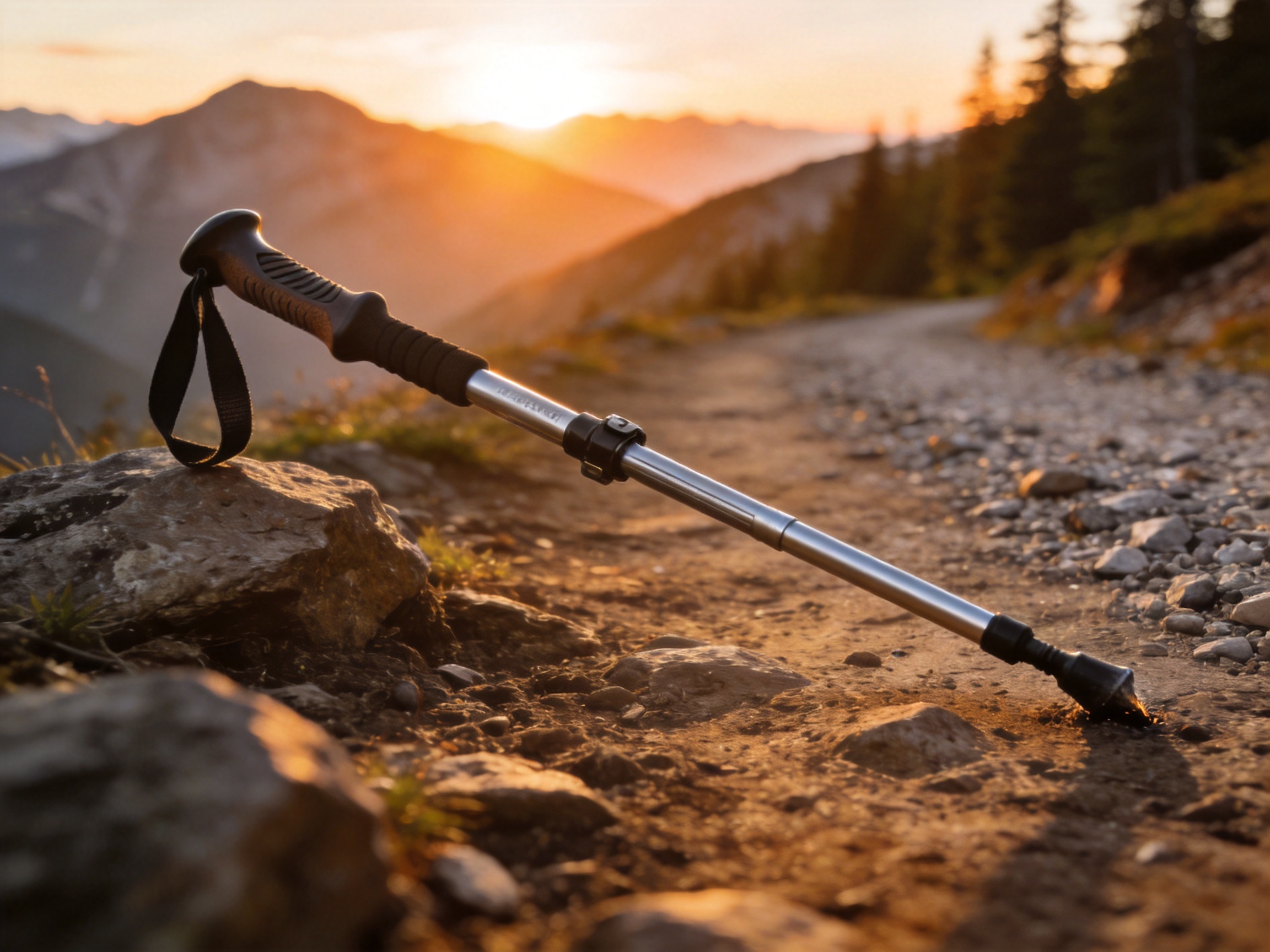
    In mountain-climbing, hiking, camping, and long-distance trekking, a trekking pole is more than a simple walking aid. It is a piece of functional outdoor equipment that influences balance, joint comfort, energy management, and safety on varied terrain. The ultralight, internally locking aluminum alloy straight handle trekking pole with telescopic strap and shock absorption is designed for users who need dependable support across rocky trails, forest paths, steep ascents, gravel descents, wet campsites, and daily hiking routes. This product, categorized as a trekking pole and identified by the model reference WFDS262002, combines a built-in spring shock absorption system, an internal locking structure, an aerospace-grade aluminum alloy body, an ergonomic non-slip straight handle, and a telescopic strap. Each feature is intended to solve a real outdoor problem: reducing impact on knees, maintaining stable pole length, improving hand comfort, supporting repeated extension and retraction, and offering reliable performance during extended use. Unlike low-cost trekking poles that focus only on appearance or catalog specifications, this pole is developed around real terrain, real weather, and real user fatigue. It is suitable for outdoor brands, distributors, camping gear retailers, cross-border e-commerce sellers, and professional sourcing teams looking for a stable product that can serve both recreational hikers and frequent trekkers. CragHaven Outdoor, based in Hangzhou, China, positions this product within a broader philosophy of functional reliability and long-term value. The company focuses on mountaineering, hiking, and camping gear, with a product development approach that emphasizes actual usage scenarios, durability-oriented material selection, repeated sampling, testing, and manufacturing consistency. For business partners, this means the pole is not treated as an isolated commodity but as part of a systematic outdoor gear development process. Product Overview The trekking pole features a straight handle design, an aluminum alloy shaft, an internally locking adjustment mechanism, a telescopic strap, and a spring-based shock absorption system. Its overall purpose is to provide dependable support while minimizing unnecessary weight. In outdoor use, every gram matters, but lightweight construction must not come at the expense of structural reliability. The aluminum alloy body provides an effective balance between manageable weight, impact resistance, and long-term durability. The internal locking structure is one of the most important functional elements. External clamps may be quick and visible, but they can also catch on vegetation, become contaminated by mud, or loosen under repeated vibration if not well designed. An internal locking system keeps the adjustment mechanism protected inside the pole body, creating a cleaner profile and improving durability during long-distance movement. This makes the pole suitable for narrow mountain paths, dense brush, and travel conditions where equipment is frequently packed, unpacked, and handled. The shock absorption system is built around a spring mechanism that helps reduce the impact transferred from the ground to the wrist, arm, and knee joints. When hikers descend long slopes, walk across hard stone steps, or move on compacted trails, repeated impact can build fatigue quickly. A pole with effective shock absorption can help smooth the walking rhythm and reduce discomfort, especially for users carrying backpacks or traveling over long distances. The ergonomic non-slip handle is designed to provide comfort during extended use. A handle must remain secure when the user’s palms sweat, when rain increases surface moisture, or when gloves are worn. A poor handle can lead to blisters, reduced grip confidence, and inefficient pole planting. This product’s handle is shaped for steady hand placement, helping hikers maintain control through changing terrain. The telescopic strap supports wrist engagement and hand security. When adjusted properly, a strap allows part of the downward force to transfer through the wrist rather than relying entirely on grip strength. This is important for long hikes because it reduces hand fatigue and improves walking efficiency. The strap also helps prevent accidental pole loss during water crossings, uneven stepping, or quick transitions between walking and climbing motions. Why Trekking Pole Design Matters in Real Outdoor Conditions Outdoor users often underestimate how much a trekking pole affects movement efficiency. On smooth pavement, almost any pole may appear adequate. On real terrain, however, the difference between a basic pole and a carefully engineered trekking pole becomes obvious. Mountain trails involve constant changes in surface angle, ground hardness, step height, and traction. A pole must manage these changes without distracting the user. During ascent, a trekking pole helps distribute effort between the lower and upper body. It allows hikers to push against the ground and maintain momentum, especially on steep inclines. During descent, the pole becomes a stabilizing tool that reduces knee load and improves balance. On uneven ground, it provides an additional point of contact, helping the user test surfaces before committing body weight. In wet or loose terrain, it can help prevent slips by improving body positioning. A poorly designed trekking pole can create problems rather than solve them. If it collapses unexpectedly, it may cause a loss of balance. If it is too heavy, it increases arm fatigue. If the handle is uncomfortable, it becomes a source of irritation. If the shock absorption system is weak or inconsistent, it may feel unstable. If the shaft material bends easily, the pole will not survive demanding use. Therefore, the engineering of the pole must consider the complete user experience rather than isolated specifications. This aluminum alloy shock-absorbing trekking pole is developed with these realities in mind. It combines lightweight handling with a practical internal locking structure, comfortable grip design, and impact-reducing spring system. The result is a product suitable for both occasional hikers and repeat outdoor users who value predictable performance. Core Product Features Ultralight Aluminum Alloy Construction The shaft is made from aerospace-grade aluminum alloy, chosen for its combination of low weight, strength, and resistance to deformation under common trekking conditions. Aluminum alloy remains one of the most practical materials for trekking poles because it offers a favorable balance of durability and cost efficiency. Compared with many carbon fiber poles, aluminum alloy can be more tolerant of sudden impacts, side loads, and rough handling. While carbon fiber is known for being very light, it can fail sharply when overloaded or damaged. Aluminum alloy, by contrast, often bends or shows visible deformation before complete failure, giving users a clearer warning sign. For outdoor brands and distributors, this material choice is especially important. It allows the product to serve a broad range of users without positioning it only as an expensive specialist item. The aluminum alloy body supports stable mass production while maintaining dependable field performance. This makes it well suited for global retail programs, private label projects, and cross-border sales channels where durability and value must be balanced. Internal Locking Structure The internal locking structure is designed to keep the pole length stable after adjustment. A trekking pole must stay locked under repetitive vertical pressure, twisting motion, and vibration. If the length slips during use, the user loses confidence and may face safety risks on steep or uneven terrain. The internal lock provides a clean appearance and helps protect the mechanism from external abrasion. Compared with many external clamp designs, internal locks can offer a smoother profile and reduced snagging risk. External levers may be convenient, but they are exposed to accidental impact, dirt, and repeated contact with backpacks or rocks. The internal mechanism is more discreet and better protected. For users who pack poles into luggage, attach them to backpacks, or move through narrow trails, this cleaner design can be a meaningful advantage. Built-In Spring Shock Absorption The built-in spring shock absorption system is a defining feature of this trekking pole. Its function is to reduce the impact felt when the pole tip contacts hard ground. This is especially useful during downhill travel, where each step produces greater force through the knees and lower body. By absorbing part of the impact, the pole helps improve comfort and supports a smoother walking rhythm. Shock absorption is not only about comfort. It also affects endurance. When users hike for hours, repeated small impacts can accumulate into fatigue. A spring-based system helps reduce this accumulation, making the pole suitable for long-distance treks, daily hiking, and outdoor travel involving mixed terrain. The system is also useful for older hikers, users recovering from previous joint discomfort, and anyone carrying additional backpack weight. Ergonomic Non-Slip Straight Handle The straight handle is designed for a stable, direct grip. Ergonomic shaping supports natural hand placement, while the non-slip surface improves control in wet, sweaty, or gloved conditions. A good handle should not force the wrist into an awkward angle, and it should remain comfortable during repeated pole planting. The straight handle design offers simplicity and familiarity, making the pole easy to use for beginners while still practical for experienced hikers. Compared with low-grade plastic handles, an ergonomic non-slip handle provides better tactile security. It helps reduce grip pressure because users do not need to squeeze excessively to maintain control. This can reduce hand fatigue and improve comfort on longer routes. For retailers, handle comfort is also important because customers often judge trekking pole quality immediately by how the handle feels in the hand. Telescopic Strap for Secure Adjustment The telescopic strap improves hand security and walking efficiency. A properly adjusted strap supports the wrist, helps transfer force, and reduces the chance of dropping the pole. The telescopic design allows different users to adjust the strap according to hand size, glove thickness, and walking style. This is valuable for family use, rental programs, retail customers, and outdoor groups where users may have different preferences. Strap quality is often overlooked, but it has a direct effect on real comfort. A poorly adjusted or rough strap can irritate the skin, while a secure and adjustable strap improves confidence. The strap on this pole supports stable use without adding unnecessary complexity. Technical Feature Summary Feature Product Solution User Benefit Competitive Advantage Shaft Material Aerospace-grade aluminum alloy Lightweight handling with reliable strength Better impact tolerance than many fragile lightweight alternatives Locking System Internal locking structure Stable length adjustment and clean pole profile Reduced snagging and better mechanism protection compared with exposed designs Shock Absorption Built-in spring system Reduced impact on knees, wrists, and arms Improved comfort on descents and hard surfaces Handle Ergonomic non-slip straight handle Comfortable grip and improved control Better long-distance usability than basic hard plastic grips Strap Telescopic adjustable strap Secure wrist support and reduced hand fatigue Adaptable fit for different users and conditions Application Long-distance trekking, daily hiking, camping travel Versatile use across multiple outdoor scenarios Suitable for broad retail and private label markets Advantages Over Competing Trekking Poles Balanced Weight and Durability Many competing trekking poles emphasize either low weight or high strength, but not both. Some ultralight poles become too fragile for rough users, while some heavy-duty poles become tiring on long routes. This aluminum alloy trekking pole is designed to occupy a practical middle ground. It is light enough for long-distance walking but strong enough for common outdoor impact and repeated use. For most hikers, this balance is more important than achieving the lowest possible weight on paper. Real users need equipment that survives transport, trail contact, accidental drops, and repeated adjustments. A pole that saves a few grams but cracks under pressure can create more risk than value. The aluminum alloy body provides a dependable solution for users who want confidence without excessive weight. Protected Locking Mechanism Competitor products with exposed locking levers can work well in controlled conditions, but they may be vulnerable to damage or contamination. Mud, sand, and vegetation can interfere with exposed mechanisms. A lever may also loosen when repeatedly pressed against luggage or backpack straps. The internal locking structure of this pole helps protect the adjustment system and maintains a cleaner exterior. This advantage is particularly relevant for cross-border e-commerce and wholesale distribution. Customers often use trekking poles in unpredictable ways. They pack them into suitcases, strap them to backpacks, lend them to friends, or use them in mixed weather. A protected locking design reduces the chance of external damage and improves perceived product quality. Shock Absorption for Comfort-Oriented Users Some basic trekking poles offer only rigid support. While rigid poles can be efficient for certain technical users, many recreational hikers prefer a more forgiving feel. The built-in spring shock absorption system makes this product more comfortable on hard ground and long descents. This gives it an advantage in consumer markets where comfort, joint care, and ease of use influence purchasing decisions. The shock-absorbing structure is especially useful for users who hike on stone paths, compacted soil, city-to-trail routes, and mountain stairs. These surfaces can create repetitive impact. By reducing the sharpness of each pole plant, the product supports a smoother experience and may help users remain active for longer periods. Comfortable Handle for Extended Use Inexpensive trekking poles sometimes use handles that look acceptable but feel uncomfortable after extended use. Hard edges, slippery surfaces, and poor shaping can quickly become problems. This pole’s ergonomic non-slip handle improves the user experience by supporting a more natural grip and reducing unnecessary hand tension. Handle comfort also affects customer satisfaction after purchase. A buyer may not immediately understand alloy grade or locking structure, but they will notice whether the handle feels secure and pleasant. For retailers and outdoor brands, this feature helps improve perceived value and reduces the risk of dissatisfaction. Adaptable Strap Design The telescopic strap gives the product an advantage over poles with fixed or poorly adjustable straps. Outdoor users vary widely in hand size, glove use, and preferred wrist position. Adjustable straps allow a better fit and improve control. This is important for markets with diverse consumer groups, including beginners, travelers, families, and outdoor clubs. Practical Design Instead of Over-Engineering Some trekking poles become overly complicated, adding features that increase cost and failure points without improving real usage. This product focuses on practical functions: stable length adjustment, lightweight strength, shock absorption, secure grip, and wrist support. This design philosophy aligns with real outdoor needs. Every feature serves a clear purpose, making the product easy to explain, easy to use, and suitable for scalable manufacturing. Performance in Key Outdoor Scenarios Long-Distance Trekking On long-distance routes, small design differences become significant. A pole that feels acceptable during a short walk may become tiring after several hours. The lightweight aluminum body reduces arm fatigue, while the shock absorption system helps manage repetitive impact. The ergonomic handle and adjustable strap support comfort over time. Together, these features make the pole suitable for users who spend full days on trails. Long-distance trekking also demands consistency. Gear must perform the same way on the first kilometer and the last. The internal locking system supports stable length adjustment, and the aluminum alloy shaft maintains dependable structural behavior under normal trekking loads. For users crossing mixed terrain, this consistency is crucial. Mountain Descents Descending is often harder on the knees than climbing. Each step transfers body weight and backpack load downward, increasing pressure on joints. Trekking poles help by allowing the upper body to share part of the load. The built-in spring shock absorption system further improves comfort by reducing the sharpness of ground contact. This makes the pole particularly valuable on steep paths, stone steps, and gravel slopes. Daily Hiking Not every user is planning a multi-day expedition. Many customers want a pole for local trails, weekend hikes, park routes, or travel. This product is suitable for daily hiking because it is easy to handle, comfortable, and practical. The internal locking system provides straightforward adjustment, while the non-slip handle and strap support secure use by different types of hikers. Camping and Outdoor Travel Camping trips often involve carrying equipment across uneven ground, walking between campsites, collecting water, or exploring nearby trails. A trekking pole can improve stability during these activities. The pole’s telescopic design makes it convenient for transport, while its aluminum construction can tolerate the practical demands of camping environments. For camping gear retailers, this product pairs naturally with backpacks, tents, sleeping bags, and other hiking accessories. Wet and Variable Weather Outdoor products must work in changing weather. Rain can make handles slippery and trails unstable. A non-slip handle and secure strap improve control in damp conditions. The internal locking structure also reduces external exposure compared with open clamp systems. While all trekking poles require proper care after wet use, the design supports reliable performance in common outdoor weather scenarios. Manufacturing Philosophy Behind the Product CragHaven Outdoor develops outdoor gear with an emphasis on weather, terrain, and time. This means products are not created simply to fill catalogs. They are developed to solve real usage problems and remain dependable through repeated use. For a trekking pole, that philosophy affects material selection, structural design, comfort details, and quality control. The company’s manufacturing approach benefits from China’s mature and efficient outdoor gear production ecosystem. Based in Hangzhou, Zhejiang Province, CragHaven Outdoor is positioned to coordinate product development, sampling, manufacturing, and export-oriented communication. The company focuses not only on factory sourcing but also on the connection between design intent and replicable production. In practical terms, this means the trekking pole is developed with attention to how it will be produced at scale. A product that performs well in one sample but cannot be manufactured consistently is not suitable for global markets. CragHaven Outdoor emphasizes stable, repeatable, and scalable product outcomes, which are essential for distributors, importers, and private label buyers. Advanced Manufacturing Processes and Quality Strengths Material Selection and Alloy Control The aluminum alloy shaft begins with material selection. For trekking poles, the alloy must provide strength without excessive weight. It must also be suitable for forming, finishing, and long-term use. Aerospace-grade aluminum alloy is selected because it offers a strong balance between structural performance and manageable mass. Proper material selection reduces the risk of bending, cracking, or premature wear. In competitive manufacturing, material consistency is critical. If batches vary too much, finished poles may feel different, lock differently, or perform inconsistently. A disciplined sourcing and inspection process helps ensure that raw material quality supports stable production. This is especially important for business buyers who need consistent product quality across repeat orders. Tube Forming and Dimensional Precision The pole shaft must be manufactured with accurate dimensions. Telescopic poles depend on proper tube fit. If tolerances are too loose, the pole may wobble. If tolerances are too tight, extension and retraction may become difficult. Precision in tube forming helps ensure smooth adjustment and stable locking performance. Dimensional control also affects user perception. A pole that extends smoothly and locks securely feels more professional. This sense of quality begins with manufacturing accuracy rather than surface decoration. CragHaven Outdoor’s development approach recognizes that outdoor product value depends on functional consistency, not just appearance. Surface Finishing and Durability Surface finishing protects the aluminum shaft and improves appearance. A well-finished pole resists everyday abrasion better and maintains a clean look during retail handling and field use. Surface treatment also contributes to corrosion resistance when the pole is exposed to moisture, sweat, and soil. While proper user care remains important, quality finishing helps extend product life. For global sales, surface consistency is also a branding advantage. Products displayed online or in stores must look uniform across inventory. Scratches, color inconsistency, or uneven finishing can reduce customer confidence. Manufacturing control helps maintain visual and tactile quality. Internal Lock Assembly The internal locking structure must be assembled with careful attention to engagement strength and adjustment smoothness. A reliable lock should hold the pole length under normal trekking pressure while still allowing users to adjust the pole without excessive force. The internal design requires alignment between shaft sections and locking components. Compared with simpler fixed-length poles, telescopic locking poles require more detailed assembly control. Each section must interact correctly. This is where manufacturing experience matters. CragHaven Outdoor’s emphasis on sampling, testing, and optimization supports the development of mechanisms that can be produced consistently rather than only functioning in a prototype. Spring Shock Absorption Calibration The built-in spring shock absorption system must be tuned for practical outdoor use. If the spring is too soft, the pole may feel unstable or inefficient. If it is too stiff, the user may not notice meaningful shock reduction. The goal is to reduce impact while maintaining control. Proper calibration affects comfort, rhythm, and user confidence. This process requires understanding how hikers actually use poles. The system must respond to repeated pole plants, not just a single laboratory compression. It must remain comfortable during long descents and stable during normal walking. Manufacturing quality depends on spring consistency, assembly alignment, and functional testing. Handle and Strap Integration The handle and strap are direct contact points between the user and the product. Even if the shaft is strong, poor handle integration can weaken the overall experience. The ergonomic non-slip handle must be securely attached, shaped consistently, and comfortable in the hand. The telescopic strap must adjust smoothly and remain stable during use. Manufacturing attention to these components helps improve customer satisfaction. In outdoor retail, comfort details often determine whether customers recommend a product. A well-integrated handle and strap show that the product is designed for repeated real-world use rather than short-term display. Functional Testing and Optimization Sampling, testing, and optimization are central to CragHaven Outdoor’s product development process. For trekking poles, functional testing may include extension and retraction checks, locking stability evaluation, shaft straightness inspection, shock absorption feel assessment, handle security checks, strap adjustment checks, and surface finish review. These steps help identify issues before products enter broader distribution. Testing is not merely a final inspection step. It informs design improvement. If a sample reveals that a lock feels too tight, the mechanism can be optimized. If a handle texture does not provide enough grip, the material or surface pattern can be adjusted. This iterative process is one of the company’s strengths because it connects design ideas with manufacturing reality. Company Strengths for Global Buyers CragHaven Outdoor serves as both an outdoor brand and a cross-border manufacturing partner. This dual role is valuable because the company understands both product function and international market expectations. Many sourcing suppliers focus only on price and production capacity. CragHaven Outdoor emphasizes real outdoor usage, professional communication, and long-term cooperation. The company is based in Room 1002, Huishang Building, Gongshu District, Hangzhou City, Zhejiang Province. Its location in Hangzhou provides access to China’s mature manufacturing resources, logistics networks, and export services. For global buyers, this supports efficient communication, sampling, coordination, and order management. One of the company’s key strengths is its focus on reducing uncertainty in the supply chain. Outdoor gear buyers often face problems such as inconsistent quality, unclear communication, unstable factories, and products that look good in catalogs but fail in real use. CragHaven Outdoor addresses these concerns by participating in product design and manufacturing decisions rather than acting only as a basic sourcing intermediary. The company also communicates in a professional, Western-market-oriented way. This matters for buyers selling in North America, Europe, Australia, and other markets where product descriptions, quality expectations, packaging requirements, and customer service standards may differ from domestic manufacturing assumptions. Clear communication reduces misunderstandings and helps align product specifications with market demand. CragHaven Outdoor prioritizes long-term, stable, and sustainable partnerships. For distributors and private label brands, this is important because outdoor product programs often require repeated orders, seasonal updates, packaging adjustments, and consistent after-sales support. A stable manufacturing partner can help brands build product lines rather than simply purchase one-time inventory. Design Philosophy: Weather, Terrain, and Time The company’s guiding principle is that products should be designed for weather, terrain, and time. This idea is particularly relevant to trekking poles. Weather affects grip, corrosion resistance, and trail difficulty. Terrain affects shaft strength, locking stability, and shock absorption. Time affects fatigue, durability, and long-term customer satisfaction. Designing for weather means considering wet hands, muddy trails, temperature changes, and storage conditions. The non-slip handle, protected locking structure, and durable aluminum alloy body all support this requirement. Designing for terrain means acknowledging that users will encounter rocks, roots, gravel, inclines, declines, and uneven steps. The pole’s shock absorption, stable lock, and strong shaft help address these challenges. Designing for time means creating a product that remains useful after repeated trips, not one that performs only during first impressions. This philosophy separates practical outdoor gear from decorative outdoor products. A trekking pole must prove itself through thousands of ground contacts. Its value is measured not only by specifications but by how it feels after hours of use and how reliably it performs after repeated adjustment. Business Value for Retailers, Importers, and Private Label Brands This trekking pole offers strong business value because it combines broad consumer appeal with practical manufacturing feasibility. It is suitable for customers who want comfort, stability, and durability without entering the highest-cost technical category. The aluminum alloy construction, shock absorption system, internal locking mechanism, ergonomic handle, and telescopic strap create a complete feature set that is easy to market and easy for customers to understand. For retailers, the product can be positioned as a dependable hiking and trekking accessory for beginners and intermediate users. For outdoor specialty stores, it can serve as an accessible performance pole with comfort-oriented features. For cross-border e-commerce sellers, its clear selling points support product listings, comparison charts, and customer education. For private label brands, it provides a strong foundation for customization in packaging, color, branding, and market positioning. The pole also supports bundled sales. It can be paired with backpacks, hiking shoes, camping accessories, rain gear, gaiters, and travel equipment. Because trekking poles are frequently purchased by users preparing for trips, they fit naturally into seasonal outdoor campaigns and adventure travel promotions. From a supply chain perspective, a product with practical materials and scalable construction is easier to manage than highly specialized equipment with narrow demand. Aluminum alloy trekking poles remain popular across many markets because they are understandable, useful, and cost-effective. Adding shock absorption and internal locking improves value without making the product overly complex. User Experience and Field Benefits The user experience begins when the hiker adjusts the pole length. The internal locking structure allows the user to set the desired height and prepare for terrain. During walking, the aluminum alloy shaft provides a sense of reliable support without excessive heaviness. The handle gives a secure contact point, and the strap helps transfer force through the wrist. When the pole tip contacts hard ground, the spring shock absorption system helps reduce impact. On uphill sections, the pole assists forward movement. On downhill sections, it helps reduce stress and improve confidence. On uneven ground, it provides an additional point of stability. During fatigue, it helps maintain rhythm. These benefits are simple but meaningful. They are the reasons trekking poles have become essential gear for many hikers. The product’s design is also friendly to less experienced users. It does not require complex setup or technical knowledge. The straight handle is intuitive, the strap is adjustable, and the shock absorption system works automatically. This makes it suitable for broad consumer markets where buyers may be purchasing their first trekking pole. Care and Maintenance Recommendations Proper care helps extend the life of any trekking pole. After use in rain, mud, sand, or salt air, users should wipe the pole clean and allow it to dry before storage. Telescopic sections should be checked periodically to ensure smooth extension and retraction. If dirt enters the adjustment area, cleaning can help maintain locking performance. The handle and strap should also be dried after wet use to prevent odor and material wear. Users should avoid forcing the pole beyond its intended adjustment range. They should also avoid using trekking poles as pry bars or load-bearing climbing tools. While the aluminum alloy shaft is durable for trekking support, every outdoor product has appropriate usage limits. Clear user guidance can reduce damage and improve customer satisfaction. Retailers and brands can include simple care instructions in packaging or online listings. This helps customers understand how to maintain performance and reduces preventable after-sales issues. Sustainability Through Durability Sustainability in outdoor products is not only about material labels. It is also about useful life. A product that lasts longer reduces unnecessary replacement and waste. CragHaven Outdoor’s emphasis on durability, reliability, and long-term use supports this practical approach. By selecting robust materials and focusing on real-world function, the trekking pole is designed to provide lasting value. Durability also supports brand trust. Customers who have a positive experience with a trekking pole are more likely to buy related outdoor gear from the same brand or retailer. For business partners, reliable products help create repeat customers and reduce the hidden costs of returns, complaints, and reputation damage. Q&A Section Q1: What type of user is this trekking pole best suited for? This trekking pole is suitable for long-distance hikers, daily walkers, camping travelers, recreational mountain users, and outdoor consumers who want a balance of lightweight handling, support, and comfort. It is especially useful for users who hike on mixed terrain or want shock absorption during descents and hard-surface walking. Q2: What makes the aluminum alloy shaft a good choice? The aerospace-grade aluminum alloy shaft provides a practical balance of strength, weight, and durability. It is lighter than many basic metal poles while offering better impact tolerance than some fragile ultralight alternatives. This makes it suitable for real outdoor use and scalable retail markets. Q3: How does the shock absorption system help hikers? The built-in spring shock absorption system helps reduce impact when the pole contacts hard ground. This can improve comfort for the wrists, arms, and knees, especially during downhill travel, long-distance walking, and hiking on stone or compacted surfaces. Q4: Why use an internal locking structure instead of an external clamp? An internal locking structure keeps the adjustment mechanism protected inside the pole body and creates a cleaner exterior. This reduces snagging risk, protects the mechanism from external contact, and gives the pole a smooth profile for packing and trail use. Q5: Is the straight handle comfortable for long hikes? Yes. The ergonomic non-slip straight handle is designed to support stable hand placement and reduce unnecessary grip tension. Its non-slip surface improves control in sweaty, wet, or gloved conditions, making it suitable for extended use. Q6: Can the strap be adjusted for different users? Yes. The telescopic strap can be adjusted to suit different hand sizes, glove thicknesses, and walking preferences. A properly adjusted strap helps transfer force through the wrist and reduces hand fatigue. Q7: How does this product compare with low-cost basic trekking poles? Compared with basic poles, this product offers a stronger feature combination: aluminum alloy construction, internal locking, spring shock absorption, ergonomic non-slip grip, and adjustable strap support. These features improve comfort, stability, and perceived quality. Q8: Is the product suitable for private label or wholesale programs? Yes. The product is suitable for outdoor retailers, importers, distributors, cross-border e-commerce sellers, and private label brands. Its practical feature set, scalable construction, and broad market appeal make it a strong candidate for customized outdoor gear programs. Q9: What manufacturing strengths support product consistency? CragHaven Outdoor emphasizes material selection, sampling, testing, optimization, functional design, and scalable manufacturing. The company focuses on turning design intent into stable, repeatable, and market-ready outdoor products. Q10: How should users maintain the trekking pole? Users should wipe the pole clean after use, dry it before storage, avoid forcing the telescopic sections, and remove dirt from adjustment areas when needed. Proper care helps maintain smooth adjustment, locking performance, and overall product life. Conclusion The ultralight, internally locking aluminum alloy straight handle trekking pole with telescopic strap and shock absorption is a practical and reliable solution for hiking, trekking, camping, and mountain travel. It addresses the most important needs of outdoor users: stability, comfort, durability, adjustability, and impact reduction. Its aerospace-grade aluminum alloy body provides a strong yet lightweight foundation. Its internal locking system supports secure adjustment and a clean exterior. Its built-in spring shock absorption system helps reduce repeated impact. Its ergonomic non-slip handle and telescopic strap improve control and comfort during extended use. For consumers, the product offers a dependable companion on long trails, daily hikes, and outdoor travel routes. For retailers and distributors, it provides a clear feature set that is easy to explain and market. For private label buyers, it offers a strong manufacturing foundation with room for brand positioning and customization. For global supply chain partners, CragHaven Outdoor brings the advantages of real outdoor product understanding, China-based manufacturing coordination, professional communication, and a long-term cooperation mindset. In a market filled with products that often compete only on price or appearance, this trekking pole stands out through practical engineering and user-centered design. It is built not merely to look like outdoor gear, but to perform in weather, terrain, and time. References 1. UIAA Safety Commission. Recommendations and general guidance on mountaineering equipment performance and user safety. 2. International Organization for Standardization. General principles for product quality management and manufacturing consistency. 3. Whiting, W. C., and Zernicke, R. F. Biomechanics of Musculoskeletal Injury. Human Kinetics. 4. REI Expert Advice Editorial Team. General educational materials on trekking pole selection, adjustment, and trail use. 5. American Hiking Society. Hiking safety, trail preparation, and equipment usage guidance. 6. Aluminum Association. General technical references on aluminum alloy properties and applications. 7. Outdoor Industry Association. Market observations and consumer trends related to hiking and outdoor recreation equipment. .profile-card { display: flex; align-items: flex-start; gap: 2rem; background-color: white; padding: 2rem; border-radius: 12px; box-shadow: 0 2px 10px rgba(0,0,0,0.05); } .profile-avatar { width: 120px; height: 120px; border-radius: 50%; overflow: hidden; flex-shrink: 0; } .profile-avatar img { width: 100%; height: 100%; object-fit: cover; display: block; } .profile-info { flex-grow: 1; } .profile-name { font-size:27px; font-weight: 900; margin-bottom: 1rem; color: #1a1a1a; } .profile-bio { line-height: 1.6; color: #333; } @media (max-width: 600px) { .profile-card { flex-direction: column; align-items: center; text-align: center; gap: 1.5rem; } } Deng Yuli — International Sales Manager 10 years of B2B sales experience in outdoor equipment manufacturing, focusing on key account development, quotation negotiation, product proposal preparation, and long-term cooperation with overseas distributors and private-label brands.
    View Article
  • Ultralight Folding Hiking Backpack for Fast, Practical Outdoor Travel

    Ultralight Folding Hiking Backpack for Fast, Practical Outdoor Travel

    2026-05-13
    Modern hiking is changing. More outdoor users are choosing shorter trips, mixed transportation, lightweight packing systems, and gear that can move easily between city, trail, campsite, and travel bag. In this environment, a backpack must do more than hold items. It must reduce unnecessary weight, pack down when not in use, resist daily abrasion, handle changing weather, and remain simple enough to be useful in real outdoor situations. The ultralight folding outdoor hiking backpack, large capacity backpack, model WFDS261001, is designed for precisely this kind of practical outdoor use. This mountaineering backpack is made with high-density, ultra-lightweight polyester fabric. The fabric is selected for abrasion resistance, tear resistance, and packability. Its surface is treated with a DWR water-repellent coating, helping light rain bead and roll away rather than immediately soaking into the material. The backpack can be folded quickly and stored inside a larger backpack, suitcase, vehicle compartment, or travel kit. These characteristics make it especially suitable for lightweight hiking, short outdoor trips, camping support, travel backup use, and daily carry in unpredictable weather. Many lightweight backpacks on the market focus only on low weight. Others provide capacity but become bulky, stiff, or inconvenient when they are not actively being used. This product is positioned between those extremes. It offers a large-capacity carrying solution while preserving the convenience of a foldable structure. For outdoor users, retailers, distributors, and sourcing teams, this balance creates clear value: less storage space, lower carry burden, practical protection against light rain, and a design that fits real user behavior rather than showroom assumptions. CragHaven Outdoor, based in Hangzhou, China, develops outdoor gear for mountaineering, hiking, and camping scenarios. The company’s approach is grounded in practical field use: products are not designed merely for catalog presentation, but for weather, terrain, movement, packing habits, and repeated use over time. This philosophy is especially relevant for folding backpacks, because a compact bag is only valuable if it remains reliable after being opened, loaded, folded, carried, stored, and reused many times. Product Overview The ultralight folding outdoor hiking backpack is a large-capacity mountaineering backpack built for users who need mobility and storage efficiency. Its core purpose is simple: provide a dependable outdoor carrying option without adding unnecessary bulk. It can be packed into another bag during travel, unfolded when extra capacity is needed, and used for hiking, camping, day trips, sightseeing, short routes, grocery runs during travel, or emergency carry situations. The product’s key material is high-density polyester fabric. Polyester is widely used in outdoor gear because it offers a favorable balance of strength, weight, drying speed, dimensional stability, and cost efficiency. In this design, the material is described as ultra-lightweight while still retaining resistance to abrasion and tearing. This matters because foldable backpacks are often exposed to friction against rocks, tree branches, vehicle interiors, luggage surfaces, and rough campsite objects. A very thin or poorly selected fabric may save grams but fail quickly. A heavier fabric may last longer but undermine the benefit of a folding backpack. The selected fabric aims to balance both needs. The backpack’s DWR finish is another important feature. DWR stands for durable water repellent, a surface treatment that helps water bead on the fabric instead of spreading and soaking in immediately. This does not make the backpack a fully waterproof dry bag, and responsible product communication should avoid that exaggeration. However, it does provide valuable protection against light rain, mist, splashes, damp vegetation, and brief exposure during changing weather. For lightweight hikers and short-trip users, this level of water resistance often matches the real conditions they face. Its folding structure improves storage and transport efficiency. When not in use, the backpack can be folded and placed into a suitcase, larger trekking pack, camping box, car trunk, or gear organizer. This makes it useful as a secondary bag on travel days, a summit or side-trip bag after reaching camp, or a backup backpack for unexpected purchases or extra layers. Compared with rigid daypacks, the foldable design significantly reduces storage friction. Key Specifications and Functional Summary Feature Area Product Detail User Benefit Product Type Ultralight folding outdoor hiking backpack Easy to carry as a primary or backup bag for short outdoor routes and travel Category Mountaineering backpack Suitable for hiking, camping support, mountain travel, and outdoor daily use Model Reference WFDS261001 Clear identification for sourcing, sampling, and order communication Main Fabric High-density ultra-lightweight polyester Balances low weight with abrasion and tear resistance Surface Treatment DWR water-repellent coating Helps resist light rain and moisture exposure Storage Method Quick folding and compact packing Fits easily into a backpack, suitcase, or vehicle storage area Capacity Positioning Large-capacity structure Accommodates layers, snacks, travel essentials, and outdoor accessories Usage Scenario Lightweight hiking and short trips Practical for users who need mobility without heavy gear burden Why Foldability Matters in Real Outdoor Use Foldability is often treated as a convenience feature, but in outdoor gear it can be a strategic advantage. A folding backpack supports flexible trip planning. A traveler may board a train or plane with one main suitcase, then unfold the backpack for a mountain walk, a campground supply run, or a city exploration day. A camper may keep the folded pack inside a larger duffel and use it for collecting water bottles, carrying a rain shell, or transporting small cooking items. A hiker may carry it as a backup for an unexpected gear split between group members. Traditional daypacks often maintain their shape even when empty. That structure can be beneficial for heavy loads, but it is less efficient for travel and storage. A rigid pack occupies closet space, suitcase volume, vehicle room, and warehouse capacity. A foldable backpack solves this problem by becoming small when its full structure is not needed. For retailers and distributors, foldability can also reduce packaging volume and improve product handling efficiency. Some competing foldable backpacks sacrifice usability by becoming too flimsy. They may pack small, but when loaded, they sag, pull uncomfortably, or place stress on weak seams. The advantage of this product is that it is not presented only as a novelty travel pouch. It is positioned as a practical outdoor backpack made from high-density fabric and developed around repeated hiking and short-trip use. The emphasis on abrasion resistance, tear resistance, and water repellency gives the backpack a more credible outdoor identity. For end users, the ideal foldable backpack is one they do not notice until they need it, and then can trust once they load it. It should not occupy much space inside luggage. It should unfold quickly. It should carry essentials without immediate fabric strain. It should resist light rain long enough to protect basic contents during a short exposure. It should be easy to dry and store. This product is built around that pattern of use. Material Advantage: High-Density Ultra-Lightweight Polyester Fabric selection determines the personality of a backpack. High-density polyester is a logical choice for an ultralight folding pack because it provides practical durability while remaining flexible enough to fold. Density matters because a more tightly structured fabric can better resist surface wear and accidental tearing than loosely constructed lightweight materials. In outdoor scenarios, a backpack may rub against rock, bark, gravel, tent poles, zippers, and packed equipment. Abrasion resistance is not an abstract laboratory value; it directly influences product life. Polyester also has good dimensional stability. Compared with some fibers that absorb more moisture and stretch significantly, polyester tends to maintain shape and dry relatively quickly. For a backpack that may be folded after use, moisture management is important. A fabric that stays wet for a long time can create odor, discomfort, and storage issues. While users should always dry gear before long-term storage, a water-repellent polyester fabric improves practical handling in damp conditions. The ultra-lightweight nature of the fabric supports the backpack’s central promise. Outdoor users increasingly count not only the weight of major gear but also the cumulative burden of accessories. A backpack that adds unnecessary weight undermines the comfort of short trips. When a foldable bag is carried inside another pack, its own weight must remain low enough to justify bringing it. This product’s fabric choice supports that requirement. Compared with inexpensive low-density fabrics used in some promotional bags, high-density polyester offers a more convincing balance of strength and portability. Promotional drawstring bags or thin shopping-style foldable packs may work for casual indoor use, but outdoor travel exposes gear to greater stress. By using a fabric selected for abrasion and tear resistance, this backpack provides a more suitable solution for hiking and camping-related use. DWR Water-Repellent Protection for Light Rain Weather changes quickly in outdoor environments. A sunny trailhead can become misty, windy, or rainy within an hour. Short-trip hikers often prefer not to carry a heavy rain cover or fully waterproof expedition pack, but they still need basic protection for clothing layers, snacks, maps, small electronics, or personal items. The DWR finish on this backpack addresses that practical need. A DWR coating works by reducing the surface energy of the fabric so that water forms beads rather than immediately spreading across the material. When water beads, it is more likely to roll away or be shaken off. This helps delay wet-out during light rain or brief contact with moisture. For many users, this is enough protection during quick exposure, especially when combined with sensible packing practices such as placing sensitive electronics in inner pouches or waterproof sleeves. The distinction between water-repellent and waterproof is important. Waterproof backpacks typically require coated fabrics, sealed seams, roll-top closures, or specialized construction. Those features may add weight, stiffness, cost, and reduced breathability. This ultralight folding backpack instead chooses a water-repellent approach that fits lightweight hiking and short-trip use. It improves weather confidence without turning the product into a heavy waterproof system. Competitor products sometimes overstate rain protection, creating unrealistic expectations. A more professional approach is to describe performance honestly. This backpack is ideal for light rain and moisture exposure, not prolonged immersion or heavy storms. That honest positioning helps retailers reduce customer dissatisfaction and helps users select the right gear for the right conditions. Large Capacity Without Unnecessary Bulk Capacity is one of the most visible characteristics of a backpack, but capacity must be evaluated alongside packability. A large backpack that cannot be stored easily may be inconvenient for travel. A tiny folding backpack may be compact but not useful for real outdoor items. This product is described as a large-capacity backpack while remaining foldable, making it suitable for users who need both space and storage efficiency. In a short hiking scenario, a user may need to carry a windbreaker, light rain shell, water bottle, trail snacks, compact first-aid kit, power bank, camera, gloves, hat, and personal items. During travel, the same backpack may hold documents, a light jacket, souvenirs, food, or daily essentials. At a campsite, it can support short walks away from the tent, supply organization, or shared group tasks. Large capacity allows the backpack to serve these varied roles. The advantage over many minimal packable bags is versatility. Extremely small foldable packs often lack the volume needed for layers or outdoor essentials. They become useful only for very light errands. On the other hand, standard daypacks may provide volume but remain too bulky to keep as a backup. This backpack occupies a practical middle ground: large enough for meaningful use, light and foldable enough to carry when not needed. For wholesale buyers, this balance also increases market reach. The same product can appeal to hikers, campers, travelers, students, day-tour participants, outdoor event organizers, and casual urban users. Products that function across multiple scenarios often perform better in retail because consumers can justify the purchase more easily. Comfort and Practical Load Behavior Although the provided product details emphasize material, folding, capacity, and water repellency, comfort remains a key factor in any backpack evaluation. In a folding backpack, comfort depends on how well the fabric structure distributes load, how stable the bag feels when walking, and how the construction resists deformation. A lightweight pack cannot be expected to carry the same load as a framed expedition backpack, but it should remain practical for short-trip essentials. A well-designed foldable hiking backpack should avoid excessive sagging. When a bag sags too much, weight shifts downward and backward, creating shoulder strain and unstable movement. Pattern engineering, seam placement, and material selection all influence this behavior. High-density polyester helps by providing a stronger fabric body than many ultra-thin alternatives. Manufacturing quality also matters because weak stitching can cause deformation even when fabric quality is acceptable. For users, comfort is also connected to simplicity. A folding backpack should be easy to open, load, close, and carry. Complex structures can add weight and failure points. The best lightweight outdoor products often avoid unnecessary details and instead focus on dependable essentials. This product’s value lies in its direct response to common needs: low weight, storage convenience, practical capacity, and resistance to basic environmental stress. Competitive Advantages Over Common Alternatives The market for compact outdoor backpacks includes promotional foldable bags, travel daypacks, entry-level hiking packs, waterproof dry-style packs, and fashion-oriented casual backpacks. Each type has strengths, but many also have limitations. This ultralight folding outdoor hiking backpack competes by combining practical advantages that are often separated across different product categories. Compared with promotional foldable bags, it offers a more outdoor-oriented material approach. Promotional bags are often designed mainly for low cost and branding visibility. They may use thin fabrics, basic seams, and minimal treatment. This product uses high-density polyester with abrasion and tear resistance, making it more suitable for trail and travel conditions. Compared with standard daypacks, it offers superior packability. A normal daypack may be comfortable and structured, but it occupies space even when empty. For users who need a secondary bag or travel-friendly option, that bulk becomes inconvenient. The folding design allows this backpack to be stored quickly in a larger bag or suitcase. Compared with heavy waterproof packs, it offers lighter everyday usability. Fully waterproof packs are excellent for paddling, severe rain, or wet expeditions, but they may be overbuilt for short hikes and travel. They can be stiffer, heavier, and less convenient for casual packing. The DWR-treated fabric provides light rain protection while preserving the product’s ultralight and foldable character. Compared with fashion backpacks, it is more function-driven. Fashion bags may look attractive but often lack outdoor fabric performance, quick-drying behavior, and compact storage capability. This product is developed for actual outdoor movement and changing conditions, not just appearance. Compared with ultra-minimalist niche packs, it offers broader accessibility. Some ultralight specialist gear is expensive, delicate, or designed for expert users who carefully manage every gram. This backpack provides lightweight convenience in a more practical form for general outdoor users, retailers, and travel markets. Designed for Lightweight Hiking Lightweight hiking is not simply about carrying less. It is about carrying what is necessary in the most efficient way. A lightweight backpack must support essential items while avoiding excessive structure and weight. This product fits hiking routes where users do not need overnight expedition capacity but still require a reliable bag for food, water, clothing layers, and small safety items. For short mountain routes, users often encounter changes in temperature and wind. A backpack must hold layers that are removed during climbs and added during rest stops. It must manage snacks and hydration. It may need to carry trekking accessories, a compact emergency blanket, sunscreen, insect repellent, and personal items. A foldable large-capacity backpack is useful because it can expand the user’s carrying flexibility without imposing a heavy starting burden. Because the backpack is easy to store, it can also support group hiking. One member may bring it as an extra bag in case the group needs to redistribute items. Families can use it when children become tired of carrying their own small bags. Travel guides can keep several folded packs available for clients. Outdoor instructors can use such bags for organizing small equipment during field activities. Useful for Camping and Short Trips Camping creates many small transport tasks. Campers move items between vehicle and tent, tent and cooking area, campsite and water source, or campsite and trail. A large expedition backpack is not always necessary for these movements. A foldable backpack is often more convenient because it is light, quick to deploy, and easy to store when the task is complete. During short trips, the backpack can carry a fleece, rain shell, portable lamp, snacks, camera, small tools, and personal items. It can serve as a day bag after the main camp is established. It can also be used for travel transitions, such as carrying essentials while the main luggage remains at accommodation. The product’s light rain resistance is useful in camp environments where dew, mist, and brief showers are common. Compared with tote bags or plastic storage bags, a backpack frees the hands and improves mobility. This matters when walking over uneven ground, carrying trekking poles, holding a child’s hand, or moving around camp after dark. The backpack format is naturally suited to outdoor movement. Manufacturing Philosophy Behind the Product CragHaven Outdoor approaches outdoor product development through real usage scenarios rather than purely decorative design. The company states a clear principle: products should be designed for weather, terrain, and time, not merely for catalogs. This mindset is particularly important in the folding backpack category because the product must endure repeated transformation. Folding, unfolding, packing, loading, and carrying create stress patterns that differ from those in rigid backpacks. The company’s design and manufacturing process emphasizes durability, reliability, and long-term use rather than short-term visual trends. Material selection is not treated as a cosmetic decision. For a backpack, fabric, coating, thread, seams, reinforcement points, and folding behavior all determine whether the final product will satisfy users after repeated use. A product that looks good in a photograph but fails during a rainy walk or tears after rubbing against rough surfaces does not meet professional outdoor expectations. CragHaven Outdoor also positions itself as a manufacturing partner rather than only a factory-sourcing intermediary. This distinction matters for global buyers. A sourcing-only approach may identify a supplier and quote a price, but it may not fully manage product intent, testing, optimization, and market communication. A development-oriented manufacturing partner can help transform a product concept into a stable, replicable item suitable for long-term supply. Advanced Material Selection and Validation The first stage of reliable backpack manufacturing is material selection. High-density polyester must be evaluated not only for appearance and hand feel but also for weight, tensile strength, tear resistance, abrasion behavior, coating compatibility, color stability, and folding performance. A fabric that performs well when flat may crease poorly after repeated folding. A coating that repels water initially may lose effectiveness if applied inconsistently. A material that looks lightweight may not withstand trail abrasion. Advanced manufacturing teams evaluate these variables before production. Fabric rolls can be checked for consistency, defects, coating uniformity, color variance, and surface finish. For water-repellent products, DWR performance should be assessed through controlled spray or beading observations. For outdoor bags, abrasion and tear resistance are key considerations because fabric failure is one of the most visible and frustrating product problems. CragHaven Outdoor’s stated commitment to sampling, testing, and optimization supports this process. Sampling allows the team to confirm whether selected materials behave correctly after being cut, stitched, folded, and loaded. Testing identifies weaknesses before mass production. Optimization adjusts design, fabric, seam location, reinforcement, or packing method to improve final reliability. Pattern Engineering and Foldability Control A foldable backpack is not just a standard backpack made with soft material. It requires careful pattern engineering. The panels must create enough usable volume when opened while collapsing efficiently when folded. Seam placement must support both load behavior and compact storage. If panels are shaped poorly, the backpack may become awkward to pack, uncomfortable to carry, or difficult to fold neatly. Pattern engineering also affects fabric stress. Corners, openings, strap attachment points, and high-load seams experience repeated tension. A manufacturing team must understand where stress concentrates and how to reduce the risk of tearing. This may involve seam allowance control, reinforcement, bartacking, binding, or adjusted panel geometry. Even when the final product appears simple, the underlying pattern decisions can determine performance. Foldability control is especially relevant for user satisfaction. A packable backpack should not require complicated instructions each time it is stored. The folding process should be intuitive and quick. Fabric thickness, coating feel, seam bulk, and shape all influence this experience. Too much structure makes folding difficult; too little structure makes carrying unstable. The product’s balance of high-density lightweight fabric and flexible construction supports practical foldability. Cutting, Stitching, and Seam Reliability Manufacturing quality is often most visible in seams. Outdoor users may not know the technical name of a stitch type, but they immediately notice loose threads, uneven sewing, weak attachment points, and seams that distort under load. A reliable folding backpack requires controlled cutting and consistent stitching because small errors can affect both appearance and function. Precise cutting ensures that panels match correctly and that the finished backpack keeps its intended shape. Inconsistent cutting may create twisting, uneven folding, or misaligned seams. For lightweight fabrics, cutting accuracy is particularly important because there is less material stiffness to hide mistakes. Clean panel preparation also improves production efficiency and reduces defects. Stitching must be selected according to load requirements. Areas that experience greater force, such as shoulder strap connections and structural seams, require stronger sewing control than purely decorative seams. Reinforcement techniques such as bartacks can help distribute stress at critical points. Thread quality and tension control also matter. If thread tension is too tight, fabric may pucker or weaken. If it is too loose, seams may open under stress. CragHaven Outdoor’s focus on reliability and long-term value supports attention to these details. For global buyers, seam consistency is not only a technical issue but also a brand trust issue. Returns, complaints, and negative reviews often arise from preventable construction weaknesses. Strong manufacturing control reduces these risks. DWR Application and Quality Control The DWR treatment is a core feature of the backpack, so its application must be consistent. A water-repellent finish that varies across fabric sections can create uneven performance. Some areas may bead water effectively while others wet out quickly. Proper quality control helps ensure that the finished backpack provides the expected light rain protection. DWR performance also depends on fabric preparation and finishing conditions. Manufacturing teams must consider coating compatibility, curing or finishing parameters, handling after treatment, and storage conditions. If fabric is contaminated or treated unevenly, the water-repellent effect can decline. If the product is compressed or stored improperly before shipment, appearance and surface performance may be affected. For buyers, the key advantage is predictable performance. A single sample that performs well is not enough; bulk production must match the approved sample. This requires material traceability, incoming inspection, process control, and final checks. CragHaven Outdoor’s emphasis on stable, replicable, and scalable products aligns with these requirements. Sampling, Testing, and Optimization Sampling is one of the most important stages in outdoor gear development. A design sketch or digital specification cannot fully reveal how a backpack feels when loaded, folded, exposed to moisture, or used repeatedly. A physical sample allows teams to test assumptions and make improvements before production investment increases. Testing can include practical load checks, folding trials, seam observation, surface water-repellency checks, abrasion review, packing trials, and user handling feedback. Even simple field-simulation tests can reveal valuable information. Does the pack fold easily after being filled? Do seams remain stable after repeated loading? Does the fabric resist scuffing? Does light rain bead on the surface? Is the capacity useful for typical short-trip items? Optimization follows testing. A seam may need reinforcement. A panel may need reshaping. A fabric weight may need adjustment. A folding method may need simplification. This iterative process helps transform a product from a general idea into a dependable commercial item. CragHaven Outdoor’s statement that sampling, testing, and optimization cannot be omitted is an important strength for international buyers seeking reliable supply. Supply Chain Stability and Cross-Border Manufacturing Strength Outdoor product buyers often face uncertainty: inconsistent quality, unclear communication, changing material availability, delayed sampling, weak technical support, and products that do not match market expectations. CragHaven Outdoor aims to reduce this uncertainty through its role as both an outdoor brand and cross-border manufacturing partner based in Hangzhou, China. Hangzhou benefits from access to China’s mature and efficient manufacturing ecosystem. This includes textile suppliers, accessory providers, sewing factories, coating and finishing resources, packaging suppliers, logistics networks, and experienced production teams. For a backpack product, this ecosystem supports material sourcing, sampling speed, production scalability, and cost control. The company also emphasizes Western-market-oriented communication. This is important because outdoor gear buyers in global markets often require accurate specification language, realistic performance claims, clear sample feedback, and reliable order coordination. Miscommunication can lead to incorrect materials, unrealistic product descriptions, or mismatched expectations. A partner that understands both manufacturing realities and market communication can help bridge this gap. Long-term partnerships are another stated priority. For buyers, stable cooperation can reduce repeated supplier searches, improve product consistency, and support future product development. A backpack like WFDS261001 may serve as a base product for seasonal assortments, private-label programs, travel collections, promotional outdoor campaigns, or retail outdoor accessories. Stable manufacturing support makes these programs easier to manage. Real-World User Scenarios Scenario one is the weekend hiker. This user drives or takes public transportation to a trail, walks for several hours, and needs a lightweight bag for essentials. The backpack’s low weight, large capacity, and DWR treatment match this use well. It can carry a jacket, snacks, water, basic safety items, and personal belongings without the weight of a larger technical pack. Scenario two is the traveler who wants a backup daypack. A suitcase may hold clothing and main gear, but a daypack is needed for sightseeing, local walks, and short outdoor routes. Because the backpack folds quickly, it can stay inside luggage until needed. This makes travel packing more efficient. Scenario three is the camper. At camp, the backpack can carry small items between areas, support short walks, or serve as a personal organizer. Its light rain resistance is useful during damp mornings or brief showers. Scenario four is the outdoor retailer or distributor. The backpack offers a practical product story: high-density lightweight polyester, abrasion and tear resistance, DWR water repellency, large capacity, and compact folding. These features are easy to explain to consumers and relevant across multiple market segments. Scenario five is the group organizer. Schools, clubs, travel groups, outdoor training providers, and event organizers may need lightweight packs that are easy to distribute, store, and transport. Foldability simplifies bulk handling, while outdoor-oriented fabric improves practical durability compared with low-grade promotional alternatives. Responsible Use and Care Guidance To extend the life of the backpack, users should avoid overloading it beyond reasonable short-trip needs. Although the fabric is abrasion and tear resistant, ultralight foldable backpacks are not intended to replace heavy expedition packs for sharp, dense, or excessive loads. Proper use helps maintain seam integrity and carrying comfort. Users should also be realistic about weather protection. The DWR surface treatment is designed for light rain and moisture resistance. In heavy rain, prolonged exposure, or situations involving sensitive electronics, contents should be protected with inner waterproof pouches or dry bags. This layered approach is common in outdoor packing and helps prevent unnecessary damage. After wet use, the backpack should be dried before long-term storage. Dirt and mud should be gently removed according to appropriate fabric care practices. Harsh detergents, high heat, or aggressive scrubbing may reduce water-repellent performance. Over time, like most DWR-treated gear, the surface repellency may require maintenance depending on frequency of use and cleaning methods. Why This Backpack Creates Value for Buyers For retailers, the backpack’s value lies in its clear and practical feature set. Customers can understand it quickly: it is lightweight, foldable, spacious, resistant to abrasion and tearing, and treated to resist light rain. These are concrete benefits, not vague lifestyle claims. The product can be positioned for hiking, camping, travel, emergency backup, and daily outdoor use. For distributors, the product offers broad market compatibility. It does not depend on a narrow technical niche. It can fit outdoor stores, travel accessory channels, camping assortments, online marketplaces, gift programs, and seasonal promotional collections. Its compact nature may also simplify storage and shipping compared with more rigid bags. For private-label buyers, CragHaven Outdoor’s manufacturing approach can support customization discussions, sampling, and quality expectations. The company’s experience in design and production allows it to participate in product development rather than merely execute an order without context. This reduces the risk of a product that meets a price target but fails in user experience. For end consumers, the value is everyday confidence. The backpack is not overcomplicated. It solves common problems: needing more carrying space, wanting less luggage bulk, facing light rain, and avoiding fragile disposable bags. Good outdoor gear often succeeds because it becomes useful again and again in small but important moments. Q&A Section What is the main purpose of this ultralight folding backpack? The backpack is designed for lightweight hiking, short outdoor trips, camping support, travel backup use, and practical daily carry. It provides large-capacity storage while folding compactly when not in use. Is the backpack waterproof? The backpack is water-repellent, not fully waterproof. Its DWR-treated surface helps protect against light rain, mist, and brief moisture exposure. For heavy rain or sensitive items, users should add inner waterproof protection. What material is used in the backpack? It is made with high-density ultra-lightweight polyester fabric. This material is selected to balance low weight, abrasion resistance, tear resistance, and foldability. How is this backpack different from cheaper foldable bags? Many low-cost foldable bags use thin fabrics and basic construction intended mainly for casual carrying. This backpack is developed for outdoor scenarios, using abrasion-resistant and tear-resistant polyester with DWR water-repellent treatment. Can it replace a full expedition backpack? No. It is best suited for lightweight hiking, short trips, travel, and camping support. Heavy expedition loads require a more structured backpack with specialized suspension and load-bearing features. Why is foldability important? Foldability allows the backpack to be stored inside a suitcase, larger backpack, car, or camping kit. It becomes available when extra carrying capacity is needed without occupying much space beforehand. What makes the product suitable for global buyers? The backpack has a clear feature set, broad use scenarios, practical material advantages, and support from CragHaven Outdoor’s manufacturing and development process, including sampling, testing, material selection, and production optimization. How should users care for the backpack? Users should avoid excessive loads, dry the backpack before long-term storage, clean dirt gently, and protect sensitive contents separately during heavy rain. Proper care helps preserve fabric condition and DWR performance. Conclusion The ultralight folding outdoor hiking backpack, model WFDS261001, represents a practical direction in modern outdoor gear: lighter, more flexible, easier to store, and still strong enough for real-world use. Its high-density ultra-lightweight polyester fabric provides abrasion and tear resistance, while the DWR water-repellent finish offers useful protection against light rain. The large-capacity structure makes it more versatile than tiny packable bags, and the quick-folding design makes it more convenient than conventional rigid daypacks. Its competitive advantage comes from balance. It does not attempt to be a heavy expedition pack, a fully waterproof dry bag, or a purely fashion accessory. Instead, it focuses on the needs of lightweight hikers, short-trip travelers, campers, and users who want dependable extra capacity without extra bulk. This realistic positioning makes the backpack easy to understand and easy to recommend. Behind the product, CragHaven Outdoor contributes manufacturing strength through material understanding, design participation, sampling, testing, optimization, and access to China’s mature production ecosystem. The company’s philosophy of designing for weather, terrain, and time gives the backpack a stronger foundation than products created only for catalog appearance. For buyers seeking a reliable foldable outdoor backpack with practical features and scalable manufacturing support, this product offers a compelling solution. References American Association of Textile Chemists and Colorists. Technical Manual: Water Repellency and Textile Performance Testing. Booth, J. E. Principles of Textile Testing: An Introduction to Physical Methods of Testing Textile Fibres, Yarns, and Fabrics. Horrocks, A. R., and Anand, S. C. Handbook of Technical Textiles. Kadolph, S. J. Textiles: Basics. Outdoor Industry Association. Outdoor Participation and Consumer Gear Trends Reports. Shishoo, R. Textiles in Sport. Watkins, S. M., and Dunne, L. E. Functional Clothing Design: From Sportswear to Spacesuits. .profile-card { display: flex; align-items: flex-start; gap: 2rem; background-color: white; padding: 2rem; border-radius: 12px; box-shadow: 0 2px 10px rgba(0,0,0,0.05); } .profile-avatar { width: 120px; height: 120px; border-radius: 50%; overflow: hidden; flex-shrink: 0; } .profile-avatar img { width: 100%; height: 100%; object-fit: cover; display: block; } .profile-info { flex-grow: 1; } .profile-name { font-size:27px; font-weight: 900; margin-bottom: 1rem; color: #1a1a1a; } .profile-bio { line-height: 1.6; color: #333; } @media (max-width: 600px) { .profile-card { flex-direction: column; align-items: center; text-align: center; gap: 1.5rem; } } Ruan Qizhen — Senior Product After-Sales Specialist 8 years of experience supporting outdoor gear clients across European and North American markets, handling warranty cases, product feedback analysis, replacement coordination, and after-sales process improvement for mountaineering and camping products.
    View Article