

 English
 Deutsch
 Español
 Français
How to Choose a Camping Tent: A Practical Guide for Every Type of Outdoor Adventure
Content
- 1 Why Your Camping Style Determines Your Tent Choice
- 2 Backpacking Tents: Lightweight and Compact for the Trail
- 3 Car Camping Tents: Comfort and Space for Base Camp
- 4 Understanding Tent Capacity: How Many People Can It Really Sleep?
- 5 Essential Tent Features: What to Look For
- 6 Seasonality and Weather Protection: 3-Season vs. 4-Season Tents
- 7 Frequently Asked Questions
Choosing the right camping tent can be overwhelming. With countless shapes, sizes, materials, and technical specifications on the market, it's easy to get lost in the options. The good news is that finding the perfect tent doesn't have to be complicated. The key is to match your tent to your specific camping style and needs. This guide cuts through the confusion and provides practical, actionable advice to help you make the right choice, whether you're a first-time car camper, a seasoned backpacker, or a family planning a week-long adventure.
Why Your Camping Style Determines Your Tent Choice
The most important factor in choosing a tent is how you plan to use it. A tent that's perfect for a weekend music festival will be a disaster on a week-long backpacking trip. Your tent should match your camping style .
Backpacking tents prioritize low weight; car camping tents balance comfort and portability; canvas tents offer maximum durability at the cost of weight.
Backpacking Tents: Lightweight and Compact for the Trail
If you're carrying your tent on your back, weight and pack size are your top priorities. A good-quality backpacking tent for two people typically weighs 1.6 kg or less. These tents are built with lightweight materials like ripstop nylon and feature a higher ratio of mesh panels for ventilation.
Key Considerations for Backpacking Tents:
- Weight: Aim for less than 2.5 kg per person . Ultralight tents can weigh under 1 kg per person but use more fragile materials .
- Space: A "2-person" tent will fit two people—and their gear—but it will be snug. Consider sizing up if you have a lot of gear .
- Packed Size: The tent should pack down small enough to fit inside your backpack without consuming excessive space.
- Freestanding Design: Most backpacking tents are freestanding, meaning they can stand on their own without stakes, which is convenient for rocky or hard ground .
- Vestibule: A small vestibule provides covered storage for your backpack and muddy boots outside the sleeping area.
Determine your camping style: backpacking, car camping, or family camping. This sets the priority—weight or space.
Select a tent with 1-2 more "person" spaces than your group size to ensure comfortable sleeping and gear storage.
Consider hydrostatic head (waterproofing), vestibule space, number of doors, and ease of setup for your chosen tent type.
Car Camping Tents: Comfort and Space for Base Camp
When you're driving to your campsite, weight is far less of a concern. Car camping tents prioritize livability, comfort, and durability . These tents can weigh 10 kg or more, but they offer features like standing height, room dividers, and generous floor space .
Popular Car Camping Tent Types:
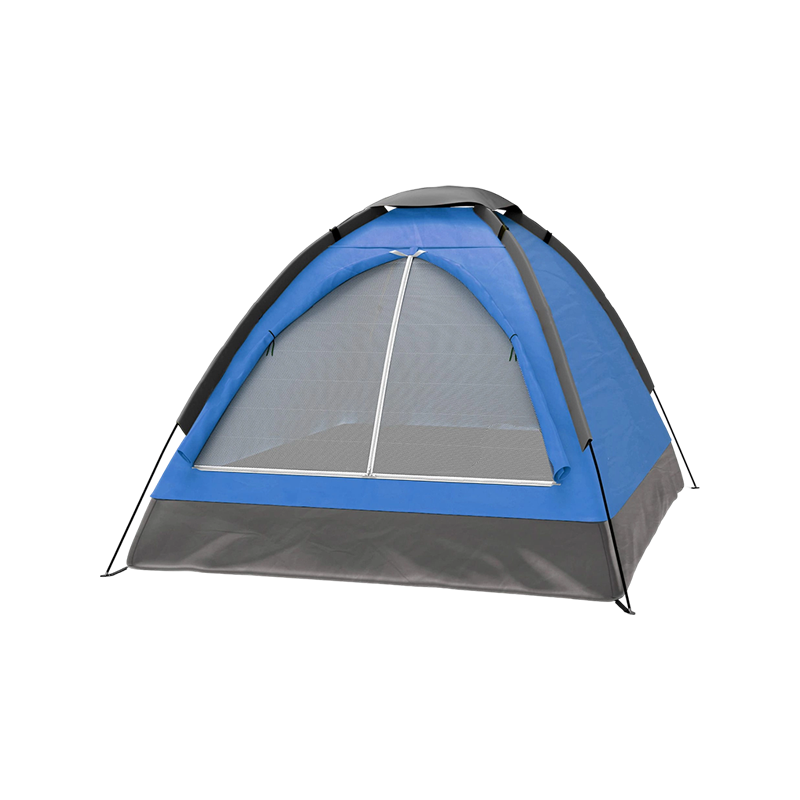
- Dome Tents: The most common type, offering a good balance of stability and space. They are self-supporting and relatively easy to pitch .
- Tunnel Tents: Easy to pitch and offer great internal space, but they must be pegged out and are not freestanding.
- Inflatable Air Tents: Replace poles with air beams, making them extremely easy to set up—often in under a minute. They are ideal for families but are heavier and more expensive.
- Frame Tents: Traditional design with a rigid internal frame, often made from canvas. They offer excellent space and headroom but are heavy and require a large pitch.
- Pop-Up Tents: Offer ultra-fast setup (in seconds) and are great for festivals or short summer breaks, but they are generally less durable and weather-resistant.
For a high-quality camping tent that balances space, durability, and weather resistance for family camping, the The North Face Wawona 6 is a popular choice. It offers 85 square feet of living space, a standing height of 6 feet 4 inches, and a massive vestibule for gear storage.
Understanding Tent Capacity: How Many People Can It Really Sleep?
A tent's capacity rating is based on the number of sleeping bags that can fit side-by-side on the floor. It does not account for gear, personal space, or comfort. As a rule of thumb, always choose a tent with 1-2 more person spaces than your group size.
Essential Tent Features: What to Look For
Once you've narrowed down your tent type and size, look for these key features to ensure comfort and protection.
| Feature | What to Look For | Why It Matters |
|---|---|---|
| Hydrostatic Head (HH) | At least 2,000mm for summer use; 3,000mm+ for all-season | Indicates fabric waterproofness; higher is better for wet conditions |
| Vestibule | An external covered area for gear storage | Frees up interior space and keeps gear dry; essential for wet trips |
| Number of Doors | 2 doors for tents sharing with others | Allows each person to enter/exit without disturbing others |
| Ventilation | Mesh panels and vents at both high and low points | Reduces condensation build-up inside the tent |
| Groundsheet | Sewn-in (SIG) for better protection | Prevents insects, drafts, and moisture from entering |
| Storage Pockets | Built-in pockets for small items | Keeps essentials organized and off the floor |
Seasonality and Weather Protection: 3-Season vs. 4-Season Tents
Most tents sold are 3-season models, designed for spring, summer, and fall camping. They offer a good balance of ventilation and weather protection, handling moderate winds and rain well. 4-season or winter tents are built for harsh conditions like heavy snow and high winds. They have minimal ventilation to retain heat and use sturdier, heavier materials. A 4-season tent is not suitable for summer use as it can become uncomfortably hot and stuffy .
Frequently Asked Questions
- Camping and Caravanning Club: Expert Guide to Buying a Tent
- Outdoor Gear Lab: The Best Camping Tents
- Popular Mechanics: How to Set Up a Tent
- Millets: Tent Buying Guide
- SAIL: How to Choose a Camping Tent
- The Inertia: The Best Camping Tents
- Camping and Caravanning Club: Owner Satisfaction Awards 2025


- Phone: +86-15968800379
- E-mail: [email protected]
- Address: Room 1002, Huishang Building, Gongshu District, Hangzhou City, Zhejiang Province.
Copyright © CragHaven Outdoor All Rights Reserved. Outdoor Gear Manufacturers Wholesale Mountaineering Camping Gear Suppliers
