

 English
 Deutsch
 Español
 Français
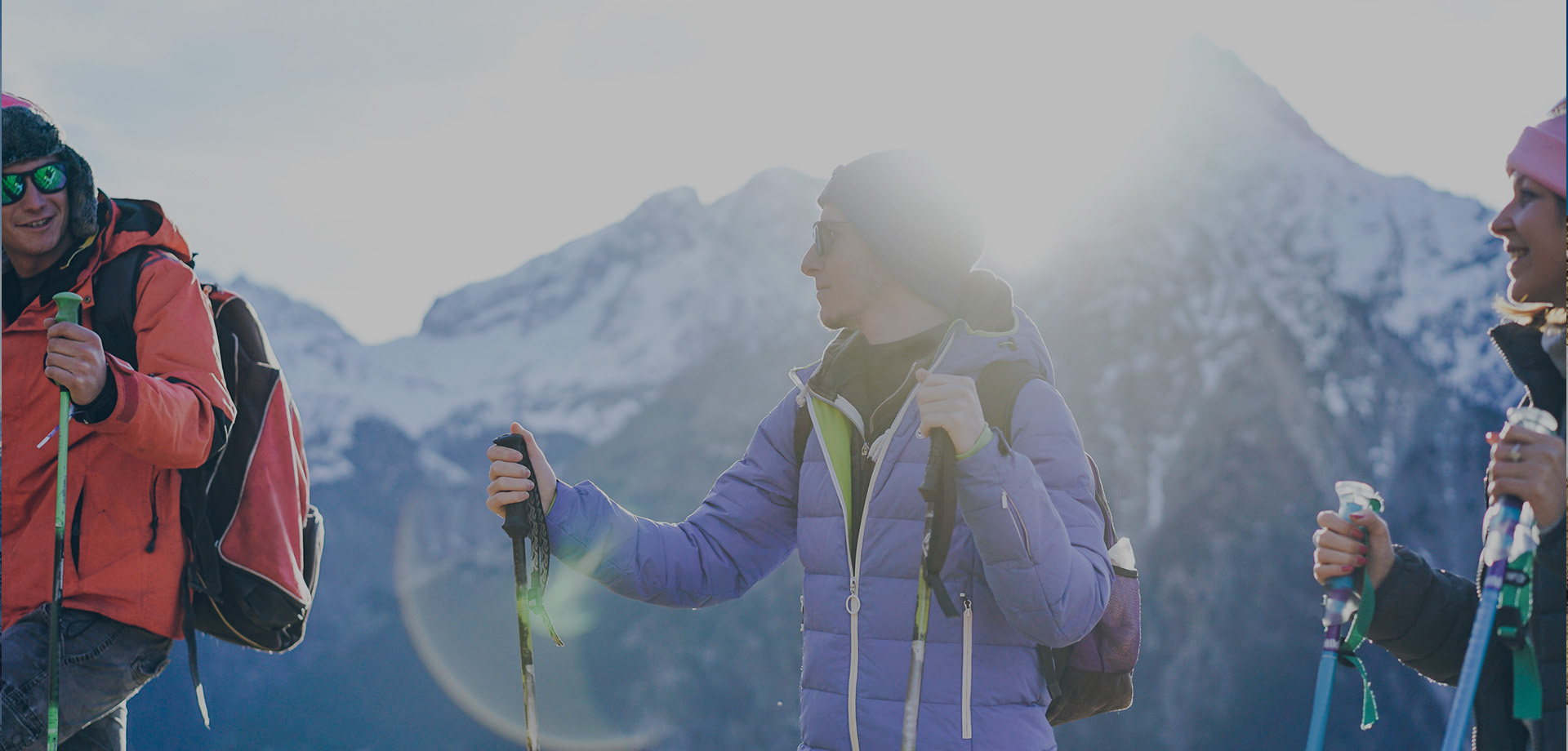
Frameless vs Internal Frame Backpacks: How to Choose Between Designs for Multi-Day Hikes
Content
- 1 Frameless vs Internal Frame Backpacks: The Real Load Threshold
- 2 Frameless Packs: Weight Savings and the Hidden Costs
- 3 Internal Frame Packs: Load-Bearing for Long, Rough Routes
- 4 Pack Features: Frameless vs Internal Frame Design for Gear Planners
- 5 What to Check Before Ordering Backpacks in Bulk
- 6 Frequently Asked Questions
A 5-day route through the Chamonix valley demands 7.5kg of food, 2kg of water, a 1.5kg tent, a 1kg sleeping bag and 2kg of clothing. That is 14kg before the pack itself. At such a load, the choice between frameless and internal frame backpacks is not a gear preference. It is the difference between finishing with fresh shoulders or nursing a sore back.
Frameless vs Internal Frame Backpacks: The Real Load Threshold
A frameless backpack works well below a 10-11kg total carry weight. Above that, the missing load-bearing structure transfers all weight to your shoulders and creates pressure points on the lower back.
The frame serves one job: it transfers load from your shoulders to your hips through the hip belt. Without a frame, every kilogram sits on your trapezius muscles and puts pressure on your lumbar spine. Ultralight hikers accept this trade-off because they reduce everything else, including water, food and shelter, to stay under 10kg.
If you are evaluating a frameless pack, load it to your expected trail weight and walk on an uneven surface for 20 minutes. The moment you feel load on your shoulders and compression on your lower back, you have found your personal ceiling. In practice, that ceiling usually lands between 8kg and 11kg for most hikers.
Comfortable carry weight by pack type
| Pack Type | Pack Weight | Comfort Range | Best Use |
| Frameless | 400-800g | 0-11kg | 2-3 day routes, frequent water sources |
| Hybrid frame sheet | 900g-1.3kg | 8-14kg | 3-5 day routes, mixed terrain |
| Internal frame | 1.5-2.5kg | 10-18kg | 5+ day routes, off-trail, vertical terrain |
Frameless Packs: Weight Savings and the Hidden Costs
A frameless pack saves 1-1.5kg versus an internal frame pack of similar capacity. That saving is real, but it comes with consequences that only appear on the trail.
Without a frame, the pack collapses when loaded with soft items. A frameless pack only keeps its shape when the contents are in compression sacks or hard-shell containers. The hip belt on a frameless pack also serves a different purpose: it does not carry weight, it keeps the pack from swinging. On a 5-day route with a 12kg load, every gram saved on the pack weight is paid back through shoulder strain.
Material choice compounds the problem. A 40-denier ripstop nylon shell is light, but it offers no structure without a frame. Most frameless packs compensate with a foam pad acting as a pseudo-frame. If the pad is removed for use as a sleep mat, the pack fails structurally.
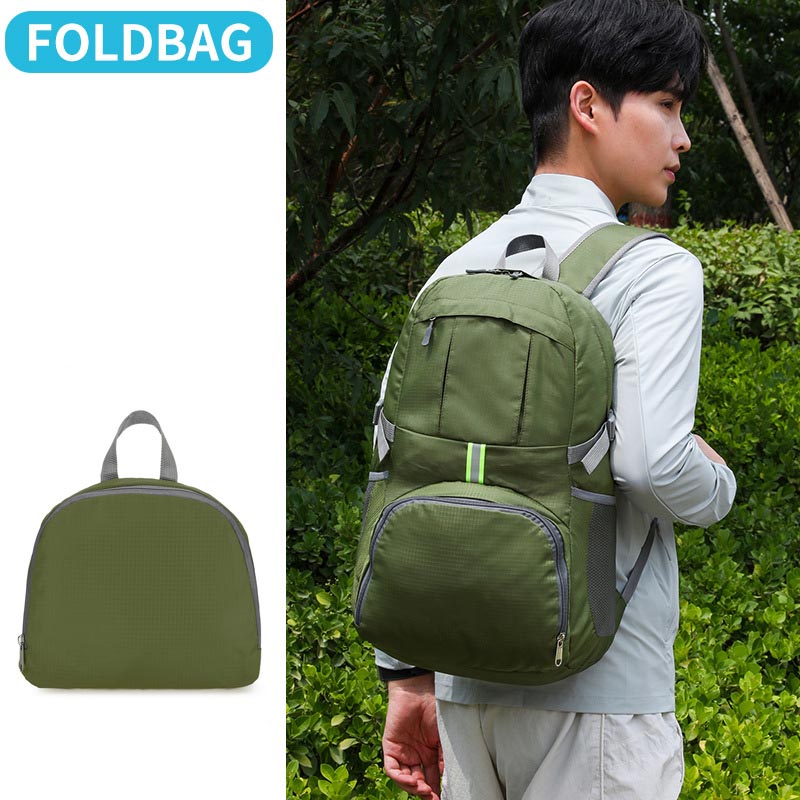 Ultralight folding outdoor hiking backpack, large capacity backpackMade with high-density, ultra-lightweight polyester fabric, it boasts excellent abrasion resistance and tear resistance, allowing for quick folding and easy storage in...View Product →
Frameless
- Pack weight 400-800g
- Good below 10kg total
- Simpler construction
- Needs compression sacks
- Best on established trails
Internal Frame
- Pack weight 1.5-2.5kg
- Excellent at 12-18kg
- Rigid, structured body
- More wear points
- Best on off-trail routes
Internal Frame Packs: Load-Bearing for Long, Rough Routes
When total carry weight exceeds 12kg or your route includes scrambling, exposure and long waterless stretches, an internal frame pack keeps the load on your hips and prevents the pack from sagging against your back.
The internal frame does more than add structure. An aluminum stay or HDPE frame sheet creates a bridge between the shoulder straps and the hip belt, transferring roughly 70-80% of the load to your iliac crest. This matters on 20km-plus days, when the difference between shoulder strain and hip load becomes measurable.
An internal frame pack is a backpack with rigid or semi-rigid stays or a frame sheet that links the shoulder straps to the hip belt, transferring a majority of the load to the hips and maintaining the pack's shape when fully loaded.
A large-capacity internal frame pack with a proper hip belt and load lifters is the only setup that keeps a 15kg resupply comfortable for six consecutive days. The extra 800g-1.5kg of pack weight is a small price for avoiding compression injuries and fatigue.
Consider a route with a fixed water source 12km apart, a bear canister weighing 2.5kg and a base weight of 5kg. The total reaches 16kg before food. No frameless pack can hold that configuration without shifting almost all weight to the shoulders. This is the exact scenario where a 2kg internal frame pack outperforms a 700g frameless design.
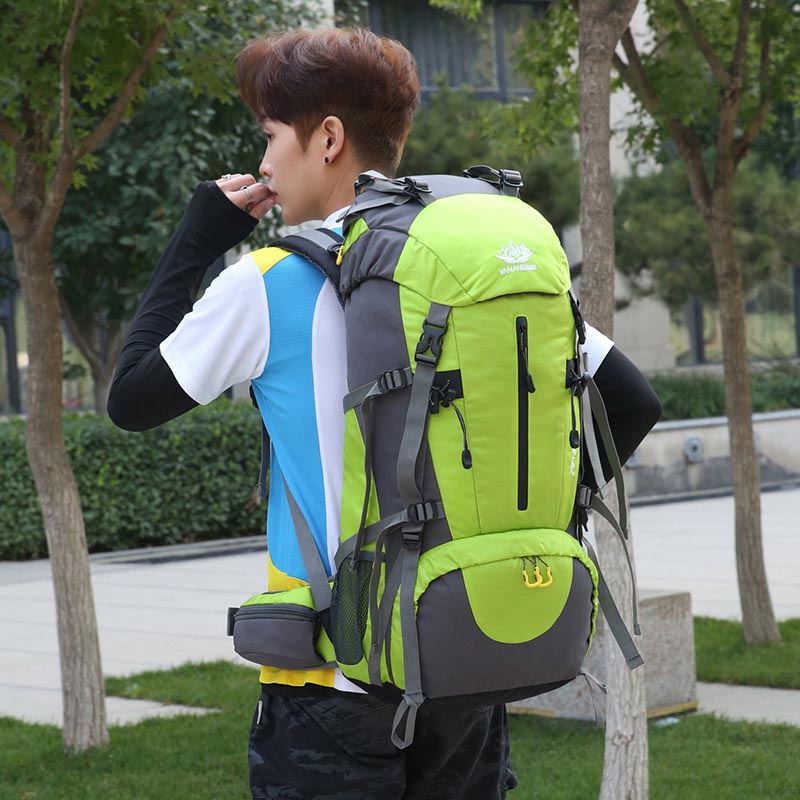 Large-capacity nylon professional mountaineering backpack, multi-functional sports double-The outer layer is made of high-strength, water-repellent nylon, while the inner lining is made of durable Oxford cloth, providing double protection to keep the gear d...View Product →
Pack Features: Frameless vs Internal Frame Design for Gear Planners
The decision comes down to three numbers: base weight, total carry weight and the number of nights on the trail. These criteria apply to individual hikers and to wholesale buyers who need to match packs to their customers' routes.
| Decision Factor | Choose Frameless | Choose Internal Frame |
| Total carry weight | Under 10kg | Over 12kg |
| Nights on the trail | 1-3 nights | 4+ nights |
| Terrain difficulty | Established trails | Off-trail, vertical |
| Water availability | Frequent sources | Long dry stretches |
| Pack weight priority | Under 800g | Under 2.5kg |
For B2B buyers, the matrix also helps with SKU rationalization. A single internal frame pack model in two torso lengths covers most multi-day customers, while a frameless model suits lighter weekend use. The two designs are complementary, not competing.
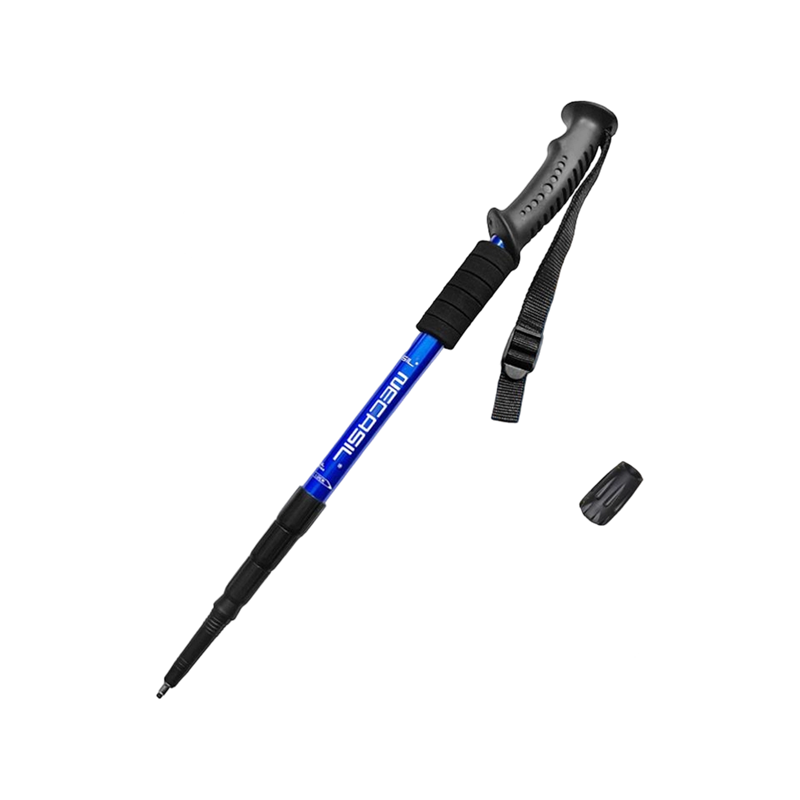
For longer routes, a pair of trekking poles reduces the load on knees and adds stability when carrying a 15kg pack. The technical specifications matter more than price, so review how trekking pole materials and lock mechanisms are selected for B2B procurement.
Base weight plus total carry weight plus nights on the trail: that is the whole decision matrix for pack selection.
What to Check Before Ordering Backpacks in Bulk
For a wholesale order, verify the frame type, the weight rating and the strap adjustment range. These three factors decide whether the pack will work for your customers on a 4-day route with 12kg of resupply.
- Frame material: 6061 aluminum stays are the most durable; HDPE frame sheets are lighter but less rigid.
- Tested comfortable load: ask for the weight at which the pack keeps 70% of the load on the hips, not the max capacity.
- Torso length range: the back panel must adjust across at least 15cm to cover different body types.
- Hip belt sizing: request the full range in centimeters and check that the buckle and padding can be resized.
- Customization options: logo placement, strap color, attachment points and compartment layout for OEM orders.
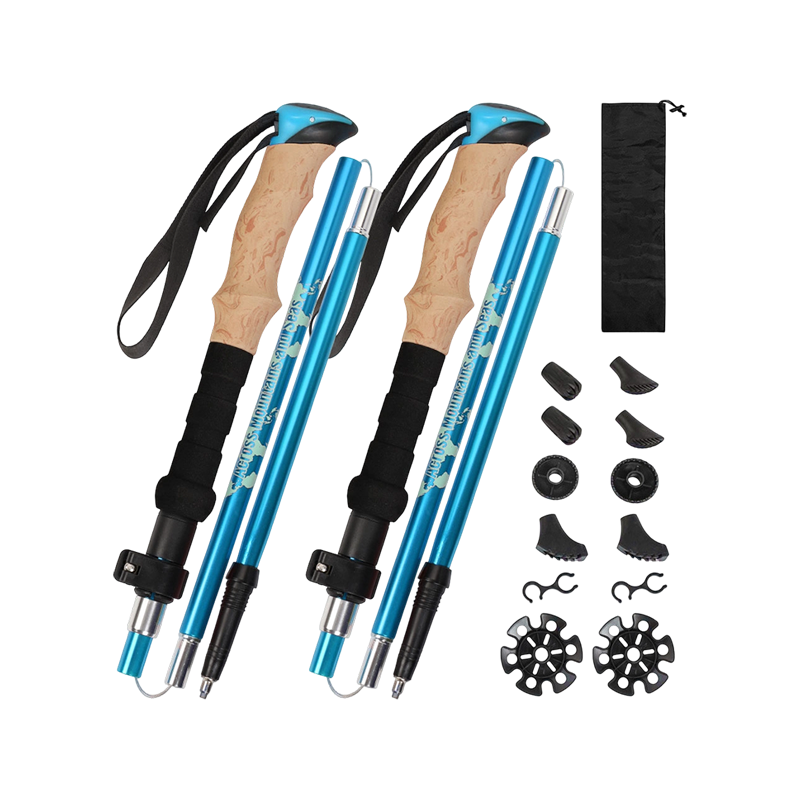 Aluminum alloy three-section telescopic folding external locking trekking pole straight haFeaturing a 3LS external locking speed adjustment system, this pole offers a secure and reliable one-button lock. The lightweight yet high-strength aluminum alloy shaf...View Product →
CragHaven Outdoor follows a purpose-driven design process that includes sampling, testing and optimization before any production run. The product development approach prioritizes weather, terrain and time over decoration, which matters when your customers return a pack after 50 trail days.
Frequently Asked Questions
Can a frameless pack handle a 3-day hike?
Yes, if total carry weight stays under 10kg and you pack with compression sacks to keep the bag rigid. At 10-12kg, a hybrid or internal frame pack will feel significantly more comfortable.
What is the maximum load for a frameless backpack?
Most manufacturers rate frameless packs for 8-11kg. Above that, the hip belt cannot transfer weight effectively and the entire load compresses your shoulders.
How can you tell if an internal frame pack fits correctly?
The hip belt should sit on the iliac crest, not the waist. When loaded, shoulder straps should not pull upward and there should be a 2-3cm gap between your back and the pack.
Which frame material is most durable for a multi-day pack?
6061 aluminum stays are the most durable and can be replaced if bent. HDPE frame sheets are lighter but less rigid. For wholesale orders, request the frame's bend cycle rating before committing to production.

- Phone: +86-15968800379
- E-mail: [email protected]
- Address: Room 1002, Huishang Building, Gongshu District, Hangzhou City, Zhejiang Province.
Copyright © CragHaven Outdoor All Rights Reserved. Outdoor Gear Manufacturers Wholesale Mountaineering Camping Gear Suppliers
