

 English
 Deutsch
 Español
 Français

Backpack Capacity Guide: 40L vs 60L vs 80L for Trekking & Mountaineering
Content
- 1 40L Backpacks Fit Day Treks and Summit Pushes, Not Multi-Day Carries
- 2 60L Is the Standard Workhorse for Three to Seven Day Trekking
- 3 80L Becomes Non-Negotiable for Mountaineering and Remote Expeditions
- 4 How Capacity Matches Trek Type and Gear List
- 5 Capacity Decision Framework for Trekkers and Procurement Teams
- 6 Fit, Frame, and Load Management Matter More Than Liters
- 7 Frequently Asked Questions
A 40L backpack typically carries 8-10 kg, enough for a full day hike or a single overnight shelter. A 60L pack doubles the usable volume and is the standard for treks spanning three to seven days. An 80L pack becomes necessary when a route requires technical climbing hardware, a week of food, and no resupply points. These capacity bands hold because internal volume determines whether you can pack gear inside the compartment or end up strapping it to the outside, which shifts the load backward and destabilizes the frame. Choosing the ideal backpack capacity for different types of trekking and mountaineering is the most important pre-trip decision, and the first specification procurement teams ask about when selecting mountaineering backpacks. CragHaven Outdoor, a mountaineering backpack manufacturer and B2B supply partner based in Hangzhou, China, sees this question daily among wholesale buyers and trekkers heading out on long routes.
40L Backpacks Fit Day Treks and Summit Pushes, Not Multi-Day Carries
For a day hike, a half-day summit push, or an overnight emergency shelter, a 40L pack is the efficient choice. A 40L pack with a lightweight frame carries 8-10 kg comfortably. With a compressed sleeping bag taking up roughly 8L and a 2L water reservoir, you still have about 20L of usable space for food, shell layers, navigation tools, and a first-aid kit. This setup works for 10-14 hours on the trail without external strapping.
A 40L pack cannot hold a tent, a sleeping pad, a stove, and food for multiple days inside the compartment. Once you strap a 4 kg tent to the exterior, the pack's frame geometry stops transferring load to the hips. The center of gravity shifts backward, and the pack begins to feel 30-40% heavier than its actual weight. For this reason, 40L backpacks work best for day hikes, hut-to-hut routes, and summit pushes launched from a high camp where the rest of the gear stays behind. Ultralight folding hiking backpacks in the 40-50L range offer the best balance of packability and load capacity for these scenarios.
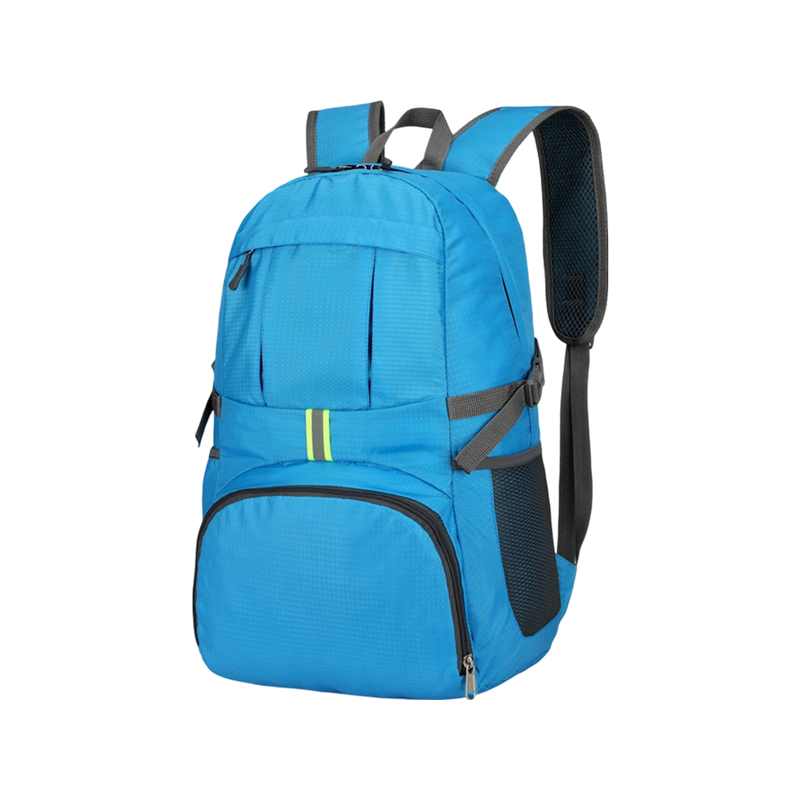
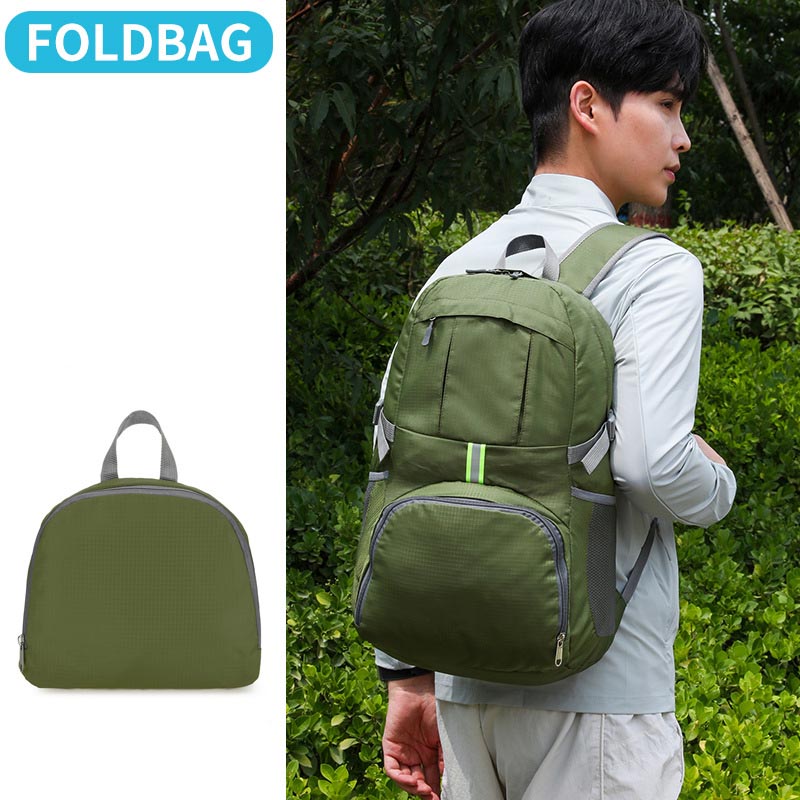 Ultralight Foldable Hiking Backpack for Short TripsThis packable backpack uses high-density polyester with a DWR coating to resist light rain, making it ideal for day hikes and lightweight outings where easy storage is needed.View Product →
60L Is the Standard Workhorse for Three to Seven Day Trekking
For treks lasting three to seven days, a 60L pack is the right capacity because it fits a sleeping bag, a one-to-two-person tent, stove, fuel, and food entirely inside the main compartment. After the sleeping bag and tent consume about 15L, a 60L pack still offers roughly 45L of usable load capacity, which holds 25-30 items: spare clothing, an insulated jacket, a rain shell, a first-aid kit, a cooking system, and 3-5 days of food.
The typical trail weight for a 60L pack ranges from 14-18 kg. This is the load range where a properly fitted hipbelt and internal frame deliver the greatest benefit. The suspension transfers weight from the shoulders to the pelvis, allowing a trekker to cover 15-20 km per day without shoulder strain. On a five-day trek with a tent, a 3-season sleeping bag, and 6 kg of food, a 60L pack holds every item inside the main compartment. The same list will overflow a 50L pack by almost 10L, forcing outside strapping and compromising balance.
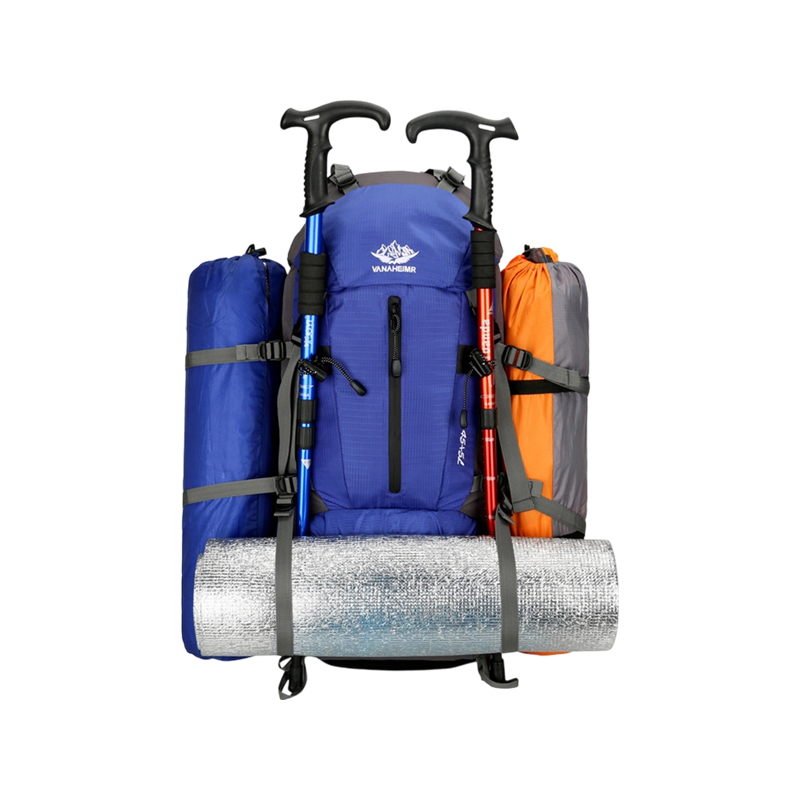
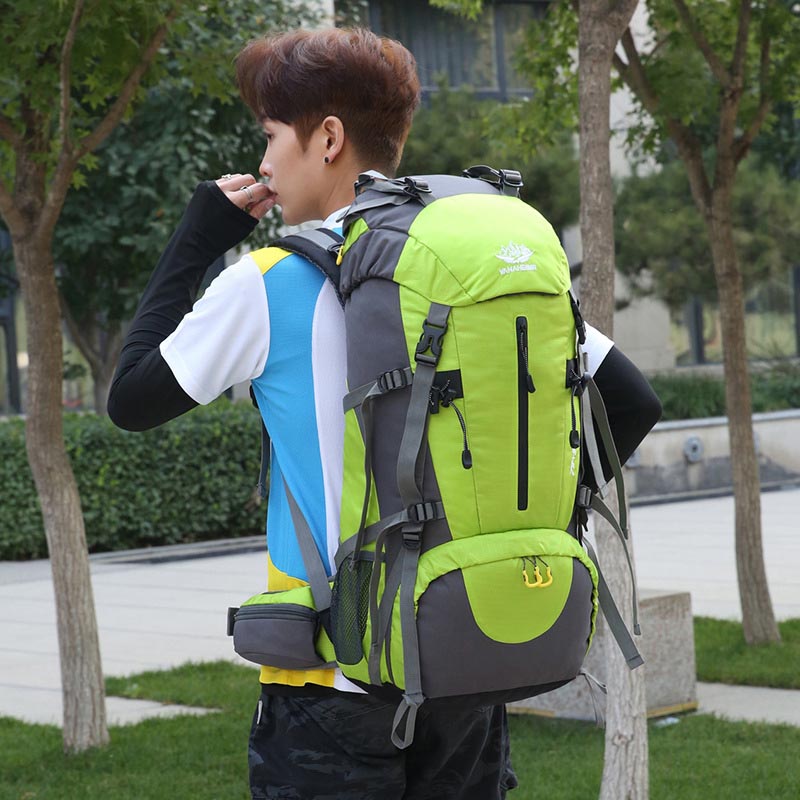 High-Capacity Nylon Mountaineering Backpack for Multi-Day TreksBuilt with water-repellent nylon and a rain cover, this large pack offers ample room for multi-day hikes, featuring external attachment points and an ergonomic carry system.View Product →
80L Becomes Non-Negotiable for Mountaineering and Remote Expeditions
An 80L pack is non-negotiable when a route requires technical climbing hardware, including a 50m rope, crampons, a helmet, a harness, and protection, plus seven days of food and fuel without resupply. A 50m rope alone consumes 10-15L of internal volume. Crampons, a helmet, and a harness add another 8-10L. A 4-season tent and an expedition sleeping bag rated to -20°C consume 30L together. Before adding seven days of high-calorie food and a change of clothes, the load already exceeds 60L.
For remote alpine routes, an 80L pack provides an internal frame, a reinforced hipbelt, and side compression straps that hold the load close to the center of gravity. Without this capacity, the gear becomes a tower that sways with every step, draining energy and increasing the risk of a minor stumble on a steep traverse. On routes where a clean descent matters more than a quick ascent, the extra 20L of volume is not a luxury, it is a safety margin.
How Capacity Matches Trek Type and Gear List
Match backpack capacity by listing every item you will carry, not by guessing based on trip length alone. The table below shows the typical relationship between trek type, recommended capacity, trail weight, and trip duration. Packing density varies with equipment quality, but the capacity bands remain consistent across trekking conditions.
| Trek type | Recommended capacity | Typical trail weight | Trip duration |
| Day hike | 40L | 8-10 kg | 1 day |
| Hut-to-hut route | 40-50L | 10-12 kg | 1-3 days |
| Multi-day trek | 60L | 14-18 kg | 3-7 days |
| Alpine expedition | 80L | 20-25 kg | 7+ days |
Capacity Decision Framework for Trekkers and Procurement Teams
Selecting the right capacity is a four-step process. Start with the gear you will carry, calculate the volume, and then choose the pack that absorbs 15% additional slack for packing efficiency.
- List every item you plan to carry, from tent to snacks.
- Estimate volume per category: sleeping bag 8-12L, tent 10-15L, clothing 8-12L, cooker 3-5L, food 2L per day.
- Add 15% for packing slack and final adjustments.
- Select the closest capacity that matches the calculated volume.
For OEM and wholesale buyers, this framework helps specify backpack models for established trading routes. If most of your market does 3-7 day treks with tents, a 60L design should anchor your inventory. If technical alpine demand dominates your region, add an 80L model to the catalog. The same discipline applies when procurement teams choose the right camping gear for different outdoor activities, matching the item to the actual use case.
choose the right camping gear for different outdoor activitiesFit, Frame, and Load Management Matter More Than Liters
An ill-fitting 80L pack will ruin a three-day trek faster than a 40L pack will ruin a day hike. Torso length, hipbelt adjustment, and internal frame rigidity determine where the load sits relative to your center of gravity. A pack that rides loose drains 5-10% of your energy per step, which adds up to hours of wasted effort on a long climb.
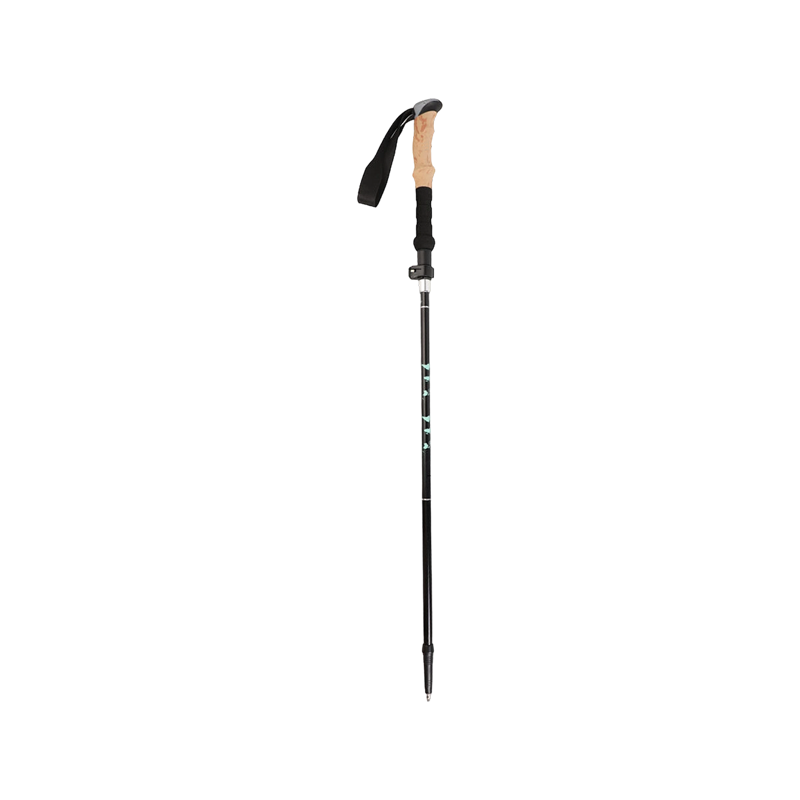
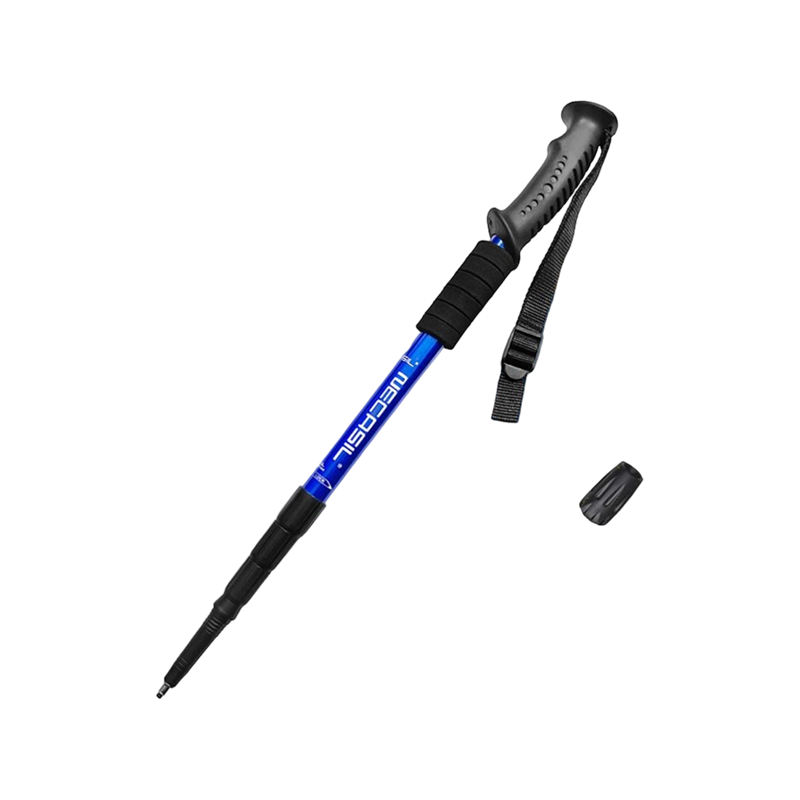
When selecting a pack, test the frame against your torso length and adjust the hipbelt strap so it sits above your iliac crest. A stiff back panel with a contoured hipbelt maintains load transfer on uneven terrain. The suspension system matters more than the volume spec. The same principle applies to trekking poles, as poorly adjusted poles strain the wrists and destabilize the pace. For B2B buyers, reviewing the technical specifications of hiking poles for B2B procurement helps build a coherent gear system where every component works together.
hiking poles for B2B procurementFrequently Asked Questions
How do I know if I need a 40L, 60L, or 80L backpack?
Start with your gear list. A day hike with no camp gear calls for 40L. A 3-7 day trek with a tent and sleeping bag calls for 60L. If you carry climbing hardware such as a rope, crampons, and a harness, plus more than seven days of food, move up to 80L.
Is a 60L backpack enough for a one-week trek?
For most seven-day trekking routes where you carry your own tent and food, yes. A 60L pack holds a 3-season sleeping bag, tent, stove, and seven days of food if you use compression sacks. If you need a 4-season tent or technical climbing gear, choose 80L.
Can I use a 40L backpack for mountaineering?
A 40L pack works for technical summit pushes from a high camp, but not for carrying climbing hardware and multi-day food for an alpine base camp approach. Most mountaineers pair a 60L or 80L pack for the approach with a 40L summit pack.
What capacity is best for steep terrain and rocky climbing?
Choose 60L with a stable internal frame. In steep terrain, the pack must stay tight against your back to prevent weight transfer to the shoulders. Avoid 80L unless you are carrying ropes and protection hardware.

- Phone: +86-15968800379
- E-mail: [email protected]
- Address: Room 1002, Huishang Building, Gongshu District, Hangzhou City, Zhejiang Province.
Copyright © CragHaven Outdoor All Rights Reserved. Outdoor Gear Manufacturers Wholesale Mountaineering Camping Gear Suppliers
