

 English
 Deutsch
 Español
 Français

How to Select a Reliable Outdoor Gear Supplier: Factory Audit, QC and Supply Stability
Content
- 1 Factory Audit: The First Layer of a Reliable Outdoor Gear Supplier
- 2 Quality Control: How a Real Outdoor Gear Supplier Protects Your Order
- 3 Supply Chain Stability: The Hidden Risk in Outdoor Gear Sourcing
- 4 How to Score a Supplier Before You Place a Bulk Order
- 5 Working with CragHaven Outdoor: A Design-to-Manufacturing Partner
- 6 Frequently Asked Questions
A buyer ordered 2,000 tents from a supplier that had passed a document review. Within one season, 180 tents came back with separated seams and leaking. The supplier had no batch traceability, no in-process inspection records, and no response beyond "it is the fabric's fault." That failure is exactly what a structured factory audit, real quality control, and a visible supply chain are meant to prevent. Selecting a reliable outdoor gear supplier requires three verifiable layers: factory audit, quality control, and supply chain stability.
Factory audit is the on-site verification of a supplier's production capacity, process discipline, and traceability, not a review of brochures. Quality control is the layered inspection system that catches defects before they reach your warehouse. Supply chain stability is the supplier's ability to keep those layers working when materials, orders, and freight are disrupted. Each layer can be tested with specific documents, tolerances, and data.
Factory Audit: The First Layer of a Reliable Outdoor Gear Supplier
A factory audit only protects you if it verifies three things: production capability, process discipline, and traceability. Without those, you are auditing a showroom, not a factory.
Production capability means real line capacity. Ask for the number of sewing stations, welding and seam-taping units, and cutting tables, then reconcile that with the units per month the supplier claims. Capability is also about the product type. A camping tent with a taped floor needs a seam-taping machine; a trekking pole requires a locking-mechanism torque station.
- Verify actual production line capacity in units per month
- Check that seam taping and welding stations match the product category
- Review ISO 9001 or equivalent quality management documentation
- Confirm who performs incoming material inspection and with which tolerances
- Ask for batch traceability records for the last three production orders
Traceability is the quiet differentiator. When a real problem appears, a zipper that fails mid-season, the supplier must be able to trace the finished product back to a fabric lot, a thread supplier, and a production shift. If that trace is missing, the fault cannot be contained, and the supplier is effectively unmanageable.
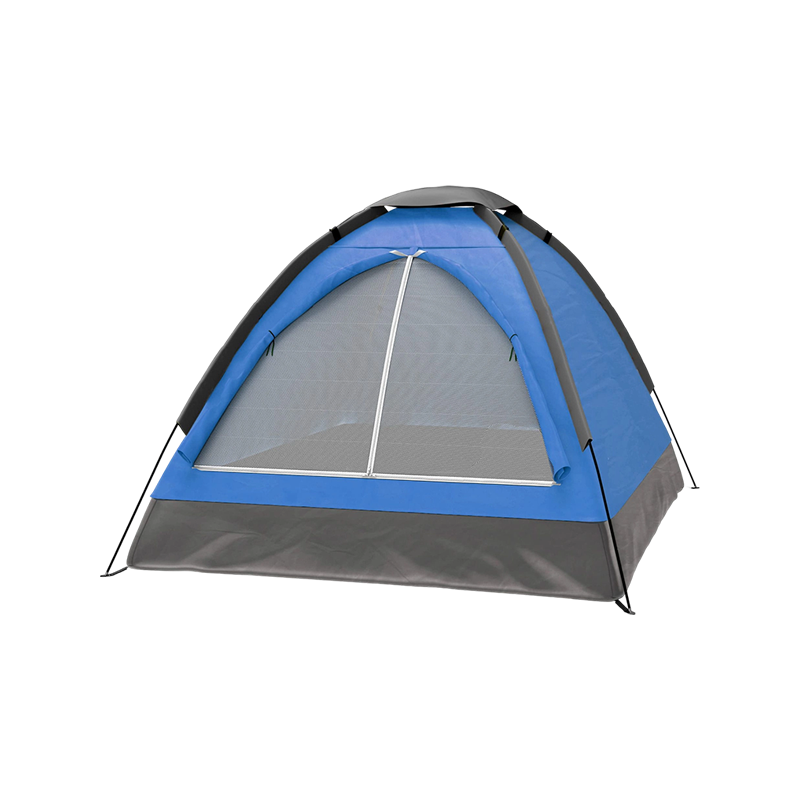
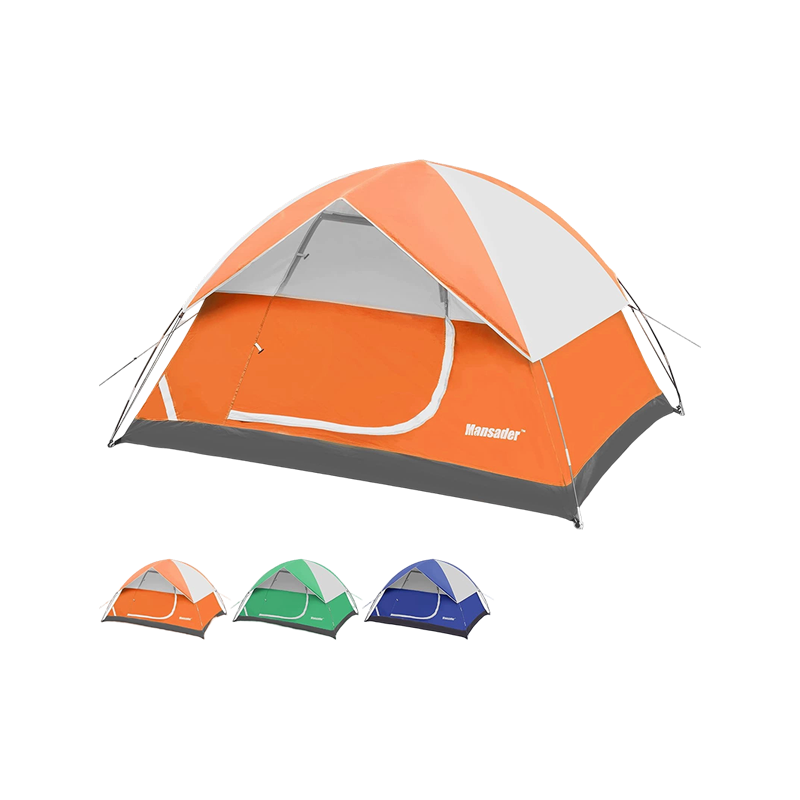 Two-Person Double-Layer Camping Tent with Rainproof Outer and Breathable InnerThis tent features a classic double-layer design with taped seams and a waterproof coating, helping prevent condensation inside. Its manual setup ensures stability, making it a practical choice for camping trips where reliable weather protection is essential.View Product →
Quality Control: How a Real Outdoor Gear Supplier Protects Your Order
Quality control at a reliable outdoor gear supplier is a layered system of inspections, not a single final check that happens after the goods are already packed.
The difference between a trader and a manufacturer shows up in the tolerance language they use. A trader says "we do 100% quality control." A manufacturer tells you the test method, the sample size, and the acceptable limits.
| Stage | What gets tested | Acceptable tolerance |
| Incoming material | Fabric weight, denier, coating adhesion | +/- 3% of specified weight |
| In-process | Seam strength, stitch density, zipper action | Seam strength above 80% of fabric breaking strength |
| Final assembly | Dimensions, hardware torque, print placement | +/- 2% of drawing dimension |
| Pre-shipment | AQL sampling, waterproof test, carton integrity | AQL 2.5 major / 4.0 minor |
If a supplier accepts a wider tolerance on fabric weight, they are cutting their own sourcing cost at the expense of your final product. Inconsistent seam strength is the most common failure in tents; call it out in writing, or the pre-shipment inspection will report it after the payment terms have moved on.
- Test seam strength on the actual seam, not on the fabric in isolation
- Run zipper cycle testing for at least 5,000 open-close cycles
- Apply hardware torque testing to trekking pole locking mechanisms
- Verify waterproofing with hydrostatic pressure testing, not a spray-down
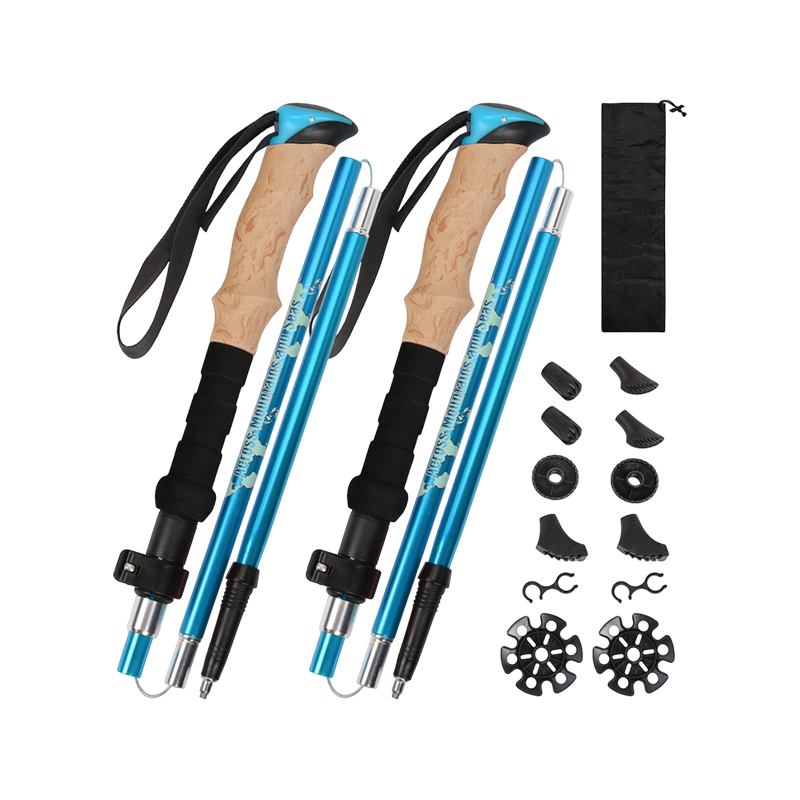 Three-Section External Lock Trekking Pole with Aluminum Shaft and Tungsten TipThe pole offers a secure one-button lock system and a lightweight yet durable aluminum shaft. Its tungsten steel tip provides grip on varied terrain, and the telescopic design makes it easy to pack for hiking and mountaineering excursions.View Product →
Supply Chain Stability: The Hidden Risk in Outdoor Gear Sourcing
Supply chain stability is about how a supplier behaves when materials, orders, and freight are disrupted, not about how smooth things look during a quiet month.
Outdoor gear sits on commodity inputs: aluminum for trekking poles, nylon and polyester for backpacks, down and synthetic fill for sleeping bags. A single-source dependency for zippers or buckles can stall a complete order. A 10% swing in aluminum pricing can change the unit cost of a trekking pole before your quote expires.
That is why a stable supplier plans for disruption in advance. The signals are easy to spot if you ask the right questions.
- Ask the supplier to name a second material source for each critical component
- Request a safety stock plan for long-lead-time items such as buckles and zippers
- Confirm reorder lead time in writing, including the replacement window
- Ask for a contingency plan when one production line is down
- Check whether finished goods can be traced back to specific material lots
A stable supplier has already planned for the problem you have not encountered yet. If they cannot describe a buffer-stock policy for critical components, the supply chain is a promise, not a system.
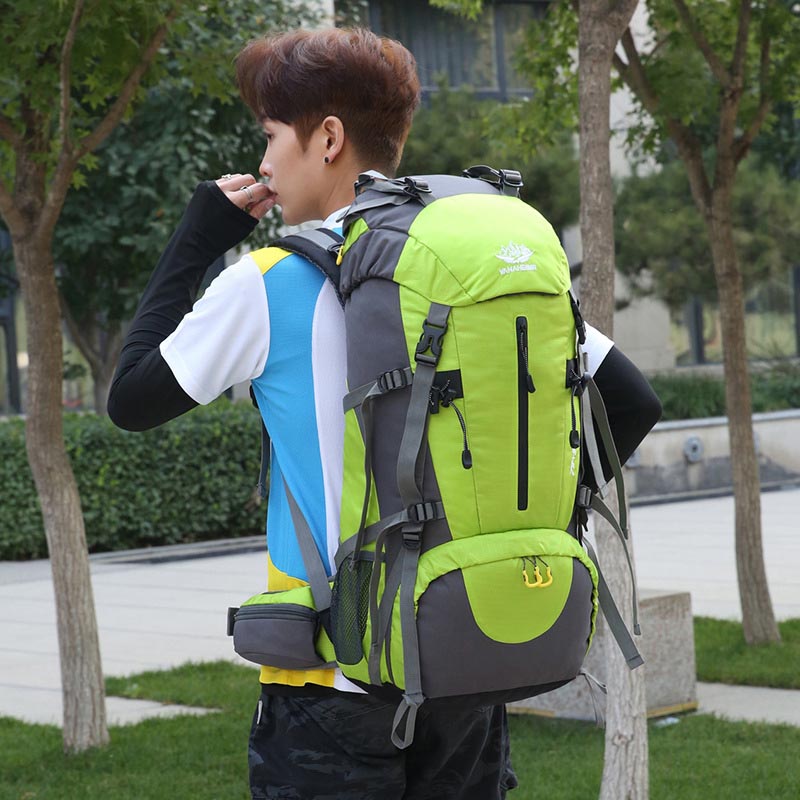 Large-Capacity Nylon Mountaineering Backpack with Rain Cover and Multiple Attachment PointsBuilt from water-repellent nylon with an Oxford lining and an independent rain cover, this backpack safeguards gear in wet conditions. It has ample storage for multi-day hikes, plus side trekking pole holders and an ergonomic carry system for comfort on the trail.View Product →
How to Score a Supplier Before You Place a Bulk Order
The shortest path to a better supplier decision is a scored comparison across audit, quality, and supply chain dimensions, not a gut feeling from a product sample.
A single good sample piece proves little. It can be made by the most skilled operator on the floor, on a day when everything goes right. A scored comparison forces you to look at the system, not the sample.
Strong supplier signals
- Shares audited production data and inspection records without being asked
- Provides documented tolerances and test methods for each material
- Has alternative material sources and a buffer stock policy
- Welcomes third-party pre-shipment inspection
- Shows engineering drawings and sample iterations
Weak supplier signals
- Cannot name the factory, only the trading company
- Answers quality questions with a generic promise, no test data
- Sources all materials from one partner for consistency
- Treats inspection as an optional fee
- Only shows a catalog with no engineering detail
Score each dimension from 1 to 5. A supplier below 3 on any single dimension is a risk, no matter how attractive the price or the sample looks.
Working with CragHaven Outdoor: A Design-to-Manufacturing Partner
CragHaven Outdoor connects Western brands with a Chinese manufacturing base built on material integrity and engineering discipline, not on catalog scanning.
CragHaven Outdoor (legal entity: Weifan Hangzhou International Import & Export Trading Co., Ltd.) is a Hangzhou-based outdoor gear manufacturer and export partner for mountaineering and camping products. The company participates in design and manufacturing rather than only pulling inventory from factories. Its three development principles, purpose-driven design, material integrity, and engineering discipline, map directly onto the audit, quality, and stability criteria described above.
For buyers who prefer to verify a supplier before committing, CragHaven Outdoor shares production capacity, material specifications, and inspection data on request. The same engineering discipline appears in its procurement and material selection guidance, which details how technical specifications drive ordering decisions.
Start with a scaled trial order that exercises a real audit and pre-shipment inspection. That is how a long-term reliable outdoor gear supplier relationship is built, one verifiable batch at a time.
Frequently Asked Questions
What should a factory audit include for outdoor gear?
A factory audit for outdoor gear should cover production capacity, seam and welding process discipline, material traceability, and quality management documentation. A useful audit also verifies that in-process inspection points are actually staffed during production runs, not only on the day of the visit.
What AQL level is acceptable for outdoor gear?
For most outdoor gear categories, buyers set AQL 2.5 for major defects and 4.0 for minor defects in a standard sampling plan. Tents and trekking poles often require tighter limits because they carry safety and weatherproofing implications.
How do you know if a supplier is stable before committing?
Ask for a written lead time plan, a material sourcing map, and a buffer stock policy. Then verify the plan with a trial order rather than a single sample. A stable supplier makes actual production and inspection data available at every stage.
Can a Chinese outdoor gear factory handle small-batch OEM orders?
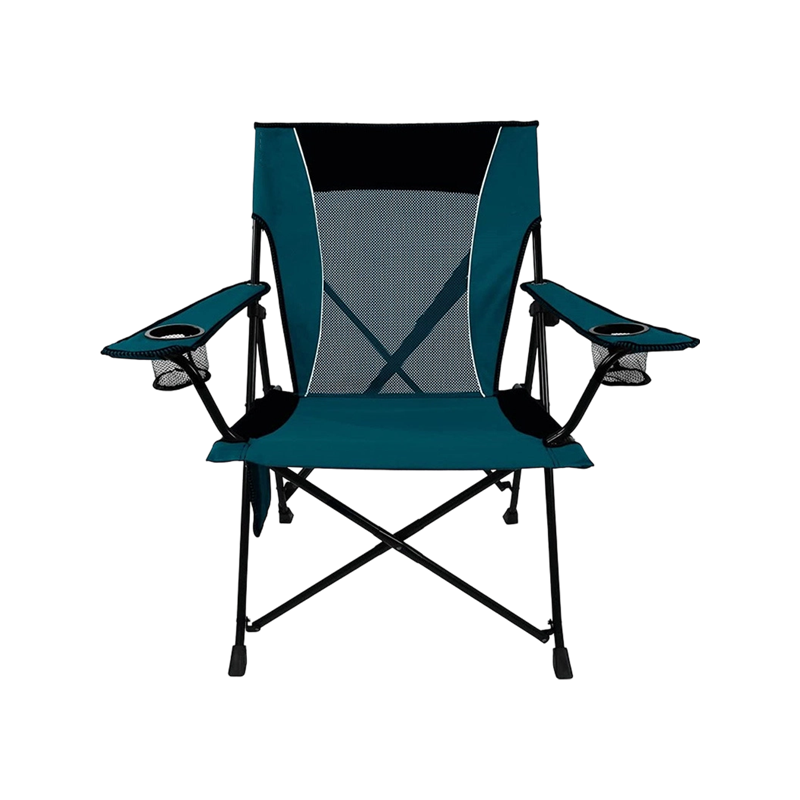
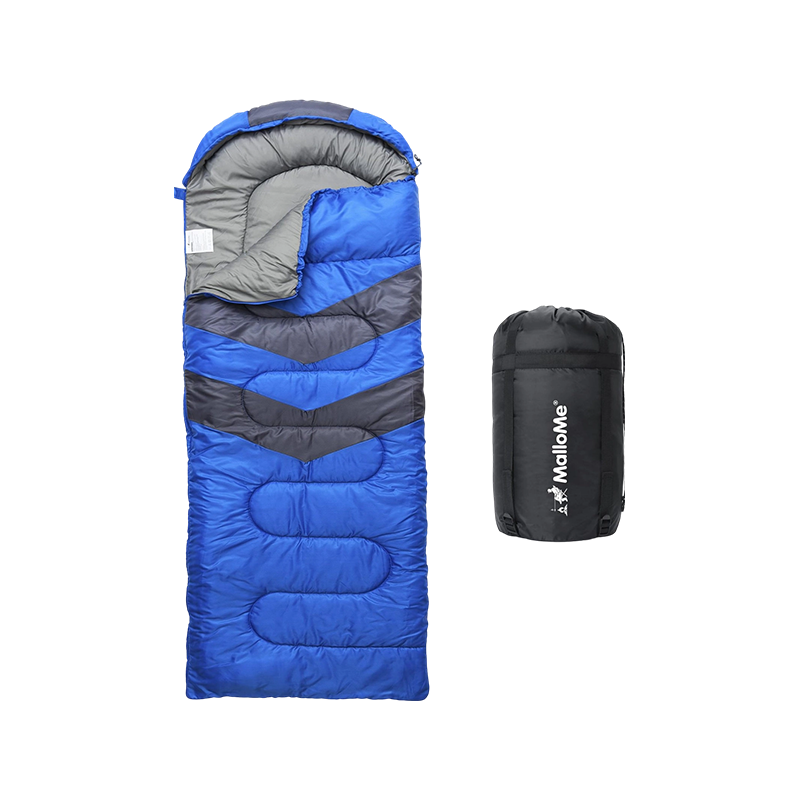
Yes, but the minimum order quantity depends on the product. Welded rain shelters and down-filled sleeping bags usually have higher MOQs than simple picnic bags or camping chairs. Confirm the MOQ for each SKU in writing before approving any sample.

- Phone: +86-15968800379
- E-mail: [email protected]
- Address: Room 1002, Huishang Building, Gongshu District, Hangzhou City, Zhejiang Province.
Copyright © CragHaven Outdoor All Rights Reserved. Outdoor Gear Manufacturers Wholesale Mountaineering Camping Gear Suppliers
