

 English
 Deutsch
 Español
 Français

OEM vs ODM in Outdoor Gear Manufacturing: Which Model Fits Your Brand Strategy?
Content
- 1 OEM vs ODM: the real difference is design ownership
- 2 When an ODM catalog wins: speed, minimums, and proven materials
- 3 When OEM earns its complexity: custom specs and IP control
- 4 Scoring framework: which manufacturing model suits your brand strategy
- 5 Common questions about OEM and ODM in outdoor gear
A brand called TrailNorth was ready to launch a two-person tent for the spring season. The factory sent a PDF with three existing models. The procurement lead had one decision: rebrand a catalog tent that was already in production, or send her own pattern and spec sheet. That one choice moved the delivery date from 12 weeks to 32 weeks, the unit cost by 19 percent, and the exclusive rights to the product.
For any brand weighing OEM vs ODM in outdoor gear manufacturing, the fastest way to decide is to look at who owns the file. OEM starts with the brand's design file. ODM starts with the factory's file.
CragHaven Outdoor, the Hangzhou-based manufacturing partner behind Weifan (Hangzhou) International Import and Export Trading Co., Ltd., works on both models with outdoor brands. The choice is rarely about which one is better. It is about which one fits your launch date, margin target, and intellectual property strategy.
Core definition
OEM starts with your file. ODM starts with the factory's file. If you change the pattern, you are in OEM. If you only change the logo, you are in ODM.
OEM vs ODM: the real difference is design ownership
OEM means the brand owns the design. ODM means the factory owns the design. Everything else in a factory negotiation follows directly from that ownership.
An OEM outdoor gear project starts with your dimensioned drawings, your fabric spec, your hardware list, and your tolerance limits. An ODM project starts with a catalog page and ends with your logo on the hang tag.
The ownership question matters because it decides who absorbs the development risk. In OEM, your brand absorbs the prototyping and tooling risk. In ODM, the factory has already absorbed the design risk, which means the quality control problems are usually solved before you place an order.
| Dimension | OEM (brand-owned spec) | ODM (factory-owned spec) |
| Design source | Your drawings and spec sheet | Factory catalog product |
| Development lead time | 90 days plus | 10 days |
| Minimum order | Higher due to custom tooling | Lower because tooling exists |
| Unit cost | 15-30 percent higher | Competitive |
| Exclusivity | Full if IP is signed | None, design is shared |
| Best for | Technical climbing and trekking gear | Private-label camping gear and quick launches |
When an ODM catalog wins: speed, minimums, and proven materials
ODM fits a brand that needs to move from no product to on shelf in one season.
A mature outdoor manufacturing partner keeps a working catalog of tents, sleeping bags, hammocks, trekking poles, folding tables, and picnic bags. Each SKU has already gone through sampling, testing, and optimization. When you choose from that catalog, you are buying a product that has been debugged.
The lead time difference is substantial. A typical ODM program reduces product development from 90 days to 10 days. Sample lead time is five to seven business days, production runs eight to twelve weeks, and the minimum order starts lower because the tooling already exists. This is why B2B procurement teams treat ODM as the default path for standard categories.
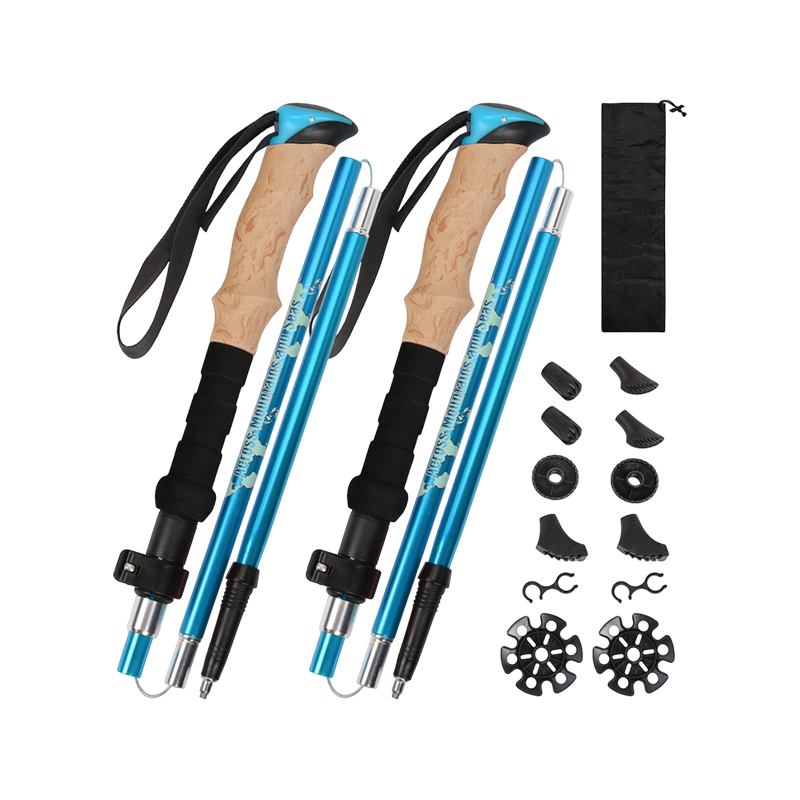 Aluminum alloy three-section telescopic folding external locking trekking pole straight haFeaturing a 3LS external locking speed adjustment system, this pole offers a secure and reliable one-button lock. The lightweight yet high-strength aluminum alloy shaf...View Product →
Categories that work well as ODM in outdoor gear:
- Trekking poles and hiking poles
- Envelope-style sleeping bags
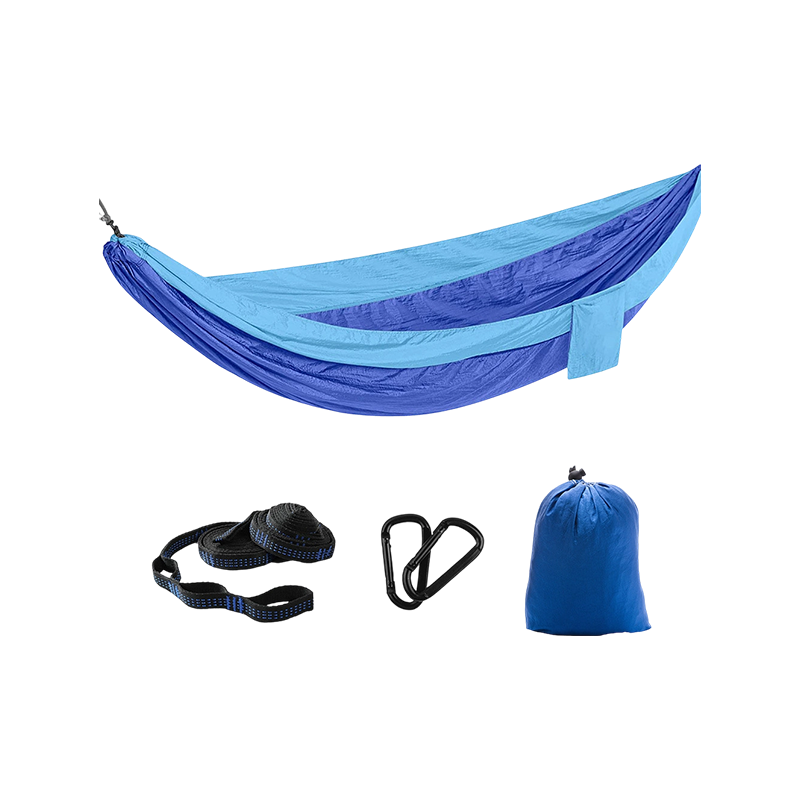
- Parachute nylon hammocks
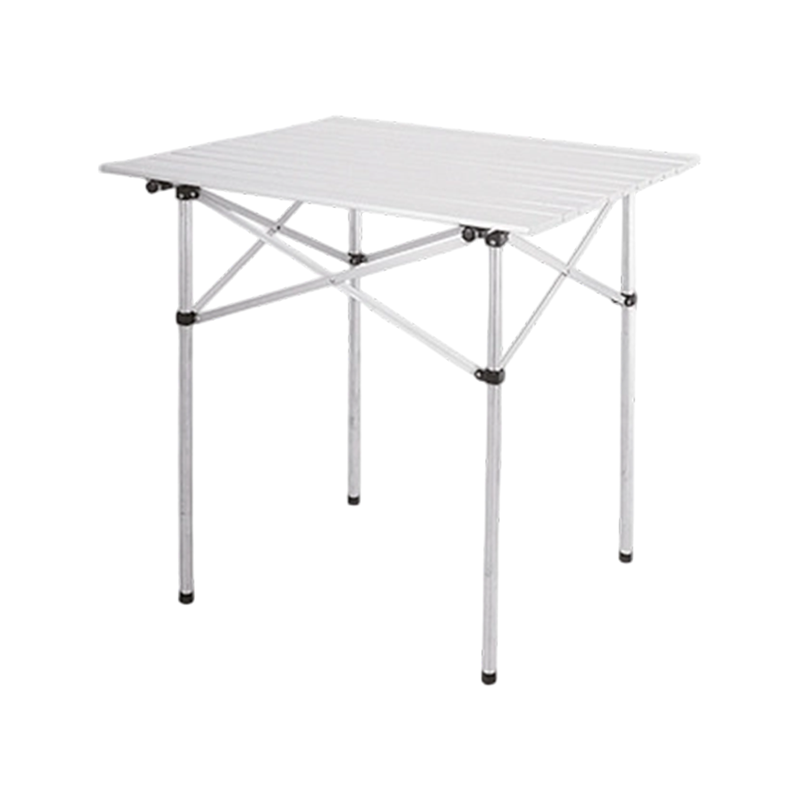
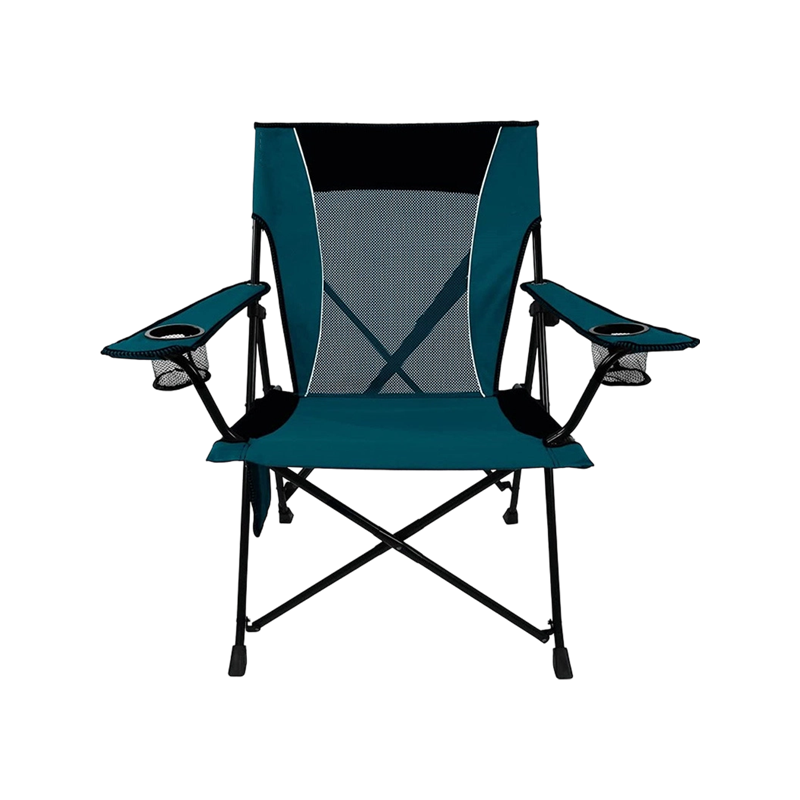
- Foldable camping tables and chairs
- Insulated picnic bags and lunch bags
10 days
ODM sample lead time
8-12 weeks
ODM production lead time
0
Regional exclusivity
When OEM earns its complexity: custom specs and IP control
OEM is the right model when a specific performance requirement defines your brand promise.
A custom mountaineering backpack may need a specific back panel curve, a webbing load rating, or a proprietary compression system. A tent may need a custom waterproof rating or a seam-taping schedule that is not in the catalog. In those cases, OEM is worth the extra time and cost.
Expect these realities in OEM outdoor gear manufacturing: 8-16 weeks of additional development, 15-30 percent higher unit cost, and a prototype fee based on tooling complexity. The quote phase is also slower because the factory has to read your spec sheet carefully before it can commit to a price.
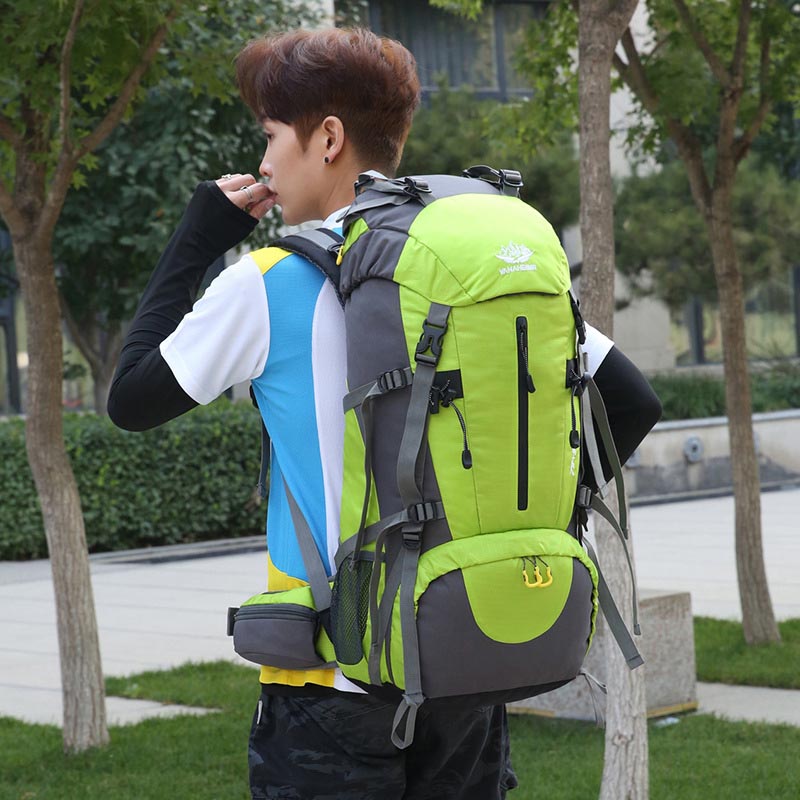 Large-capacity nylon professional mountaineering backpack, multi-functional sports double-The outer layer is made of high-strength, water-repellent nylon, while the inner lining is made of durable Oxford cloth, providing double protection to keep the gear d...View Product →
CragHaven Outdoor runs OEM projects with a three-stage engineering discipline: purpose-driven design, material integrity, and engineering discipline. In practice, the factory reviews your design files, suggests material substitutions, builds a first sample, tests it, and then optimises before mass production. This is the part that separates a real manufacturing partner from a trade intermediary.
The IP warning
If you design a custom backpack and do not sign a design ownership agreement, the factory can sell that same product to your competitor next spring. The extra 20 percent unit cost in OEM is also the price of protecting your brand identity.
Scoring framework: which manufacturing model suits your brand strategy
Score your brand on four inputs: time to market, unit cost target, design capacity, and IP strategy.
Give each input a score from zero to eight. If a factor is non-negotiable, like a launch date, give it a higher weight. Add the weighted total and compare the two models. ODM tends to win for private-label camping brands. OEM tends to win for technical climbing brands.
OEM fits
- Technical climbing or trekking brands
- Brands with an in-house design team
- Brands that need territorial exclusivity
ODM fits
- Private-label camping or lifestyle brands
- Brands launching a fast test SKU
- Brands with a tight unit-cost target
10 days
ODM sample
32 weeks
OEM development
20%+
OEM cost premium
0
ODM exclusivity
OEM vs ODM on four production factors
Relative scores based on typical outdoor gear production programs.
| Criteria | Weight | OEM score | ODM score |
| Time to market | High | 2 | 8 |
| Unit cost target | High | 4 | 8 |
| Design capacity | Medium | 8 | 2 |
| IP and exclusivity | Medium | 8 | 1 |
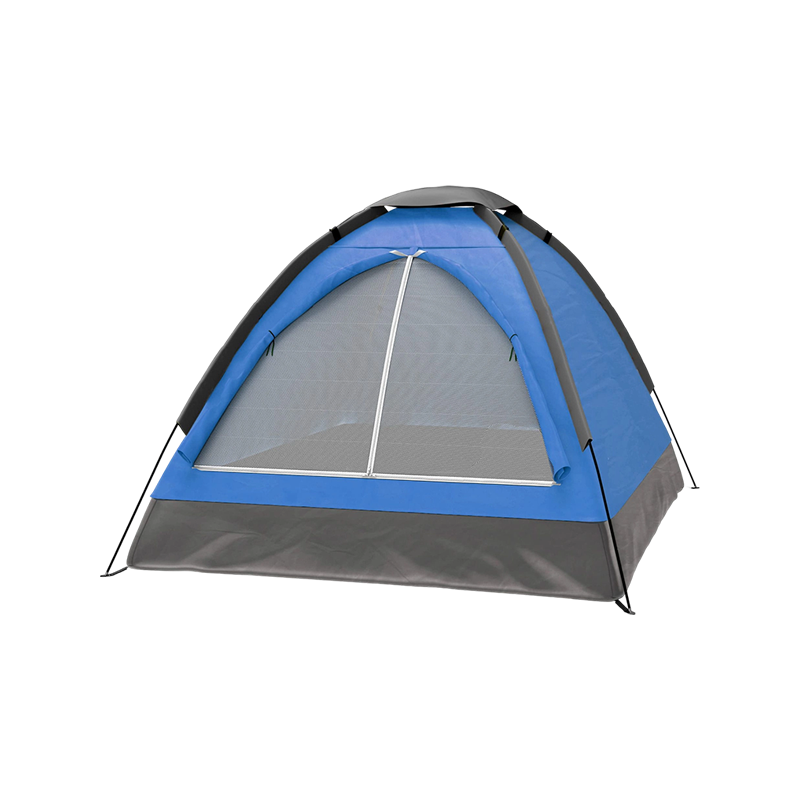
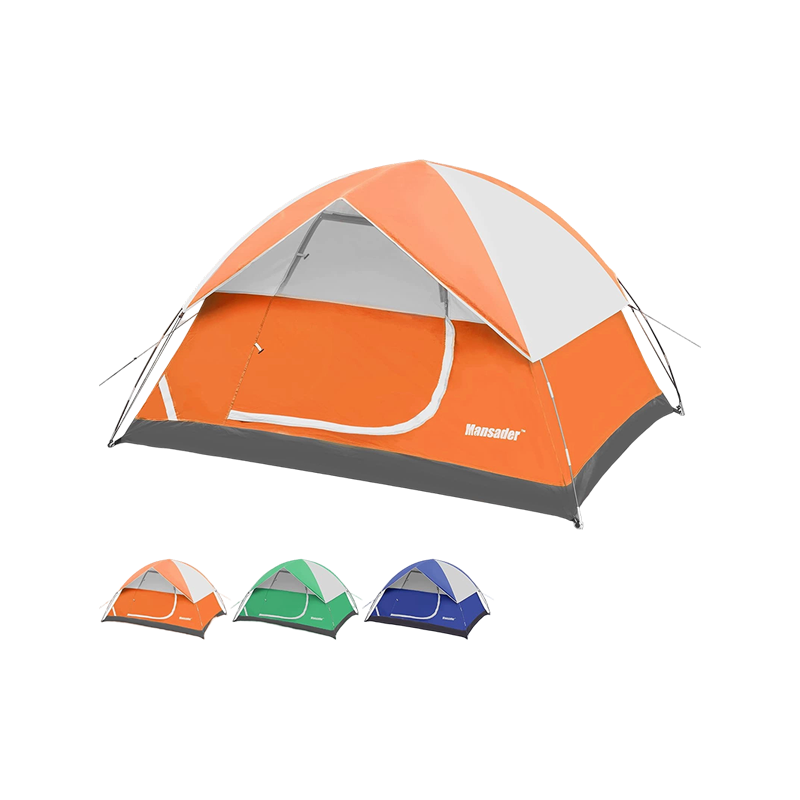 Two-person camping outdoor tentClassic double-layer structure design, with a rainproof outer tent and a breathable inner tent to effectively prevent condensation. Polyester fabric with a waterproof ...View Product →
For most camping gear brands with a spring launch, ODM wins. For a technical trekking brand with unique geometry, OEM earns the extra margin.
Common questions about OEM and ODM in outdoor gear
What is the shortest time to launch outdoor gear?
ODM is the fastest route. A brand can go from an approved sample to a shipped container in eight to twelve weeks.
Can a brand start with ODM and switch to OEM later?
Yes. Many brands launch with an ODM catalog product, collect sales data, and then pay for tooling to remove that product from the factory catalog. The switch usually takes one additional development cycle.
Is OEM always more expensive through CragHaven?
OEM unit cost is typically 15-30 percent higher because development and tooling are custom. CragHaven can absorb part of the tooling cost in exchange for a larger minimum order or a longer production commitment.
Does ODM include private branding on the product?
Yes. ODM usually includes your logo on the hang tag, the product label, and the packaging, but it does not include exclusive rights to the product design.
If the decision still feels tight, write down your launch date, your target margin, and your design capacity. The model that matches those three figures is the right one.

- Phone: +86-15968800379
- E-mail: [email protected]
- Address: Room 1002, Huishang Building, Gongshu District, Hangzhou City, Zhejiang Province.
Copyright © CragHaven Outdoor All Rights Reserved. Outdoor Gear Manufacturers Wholesale Mountaineering Camping Gear Suppliers
